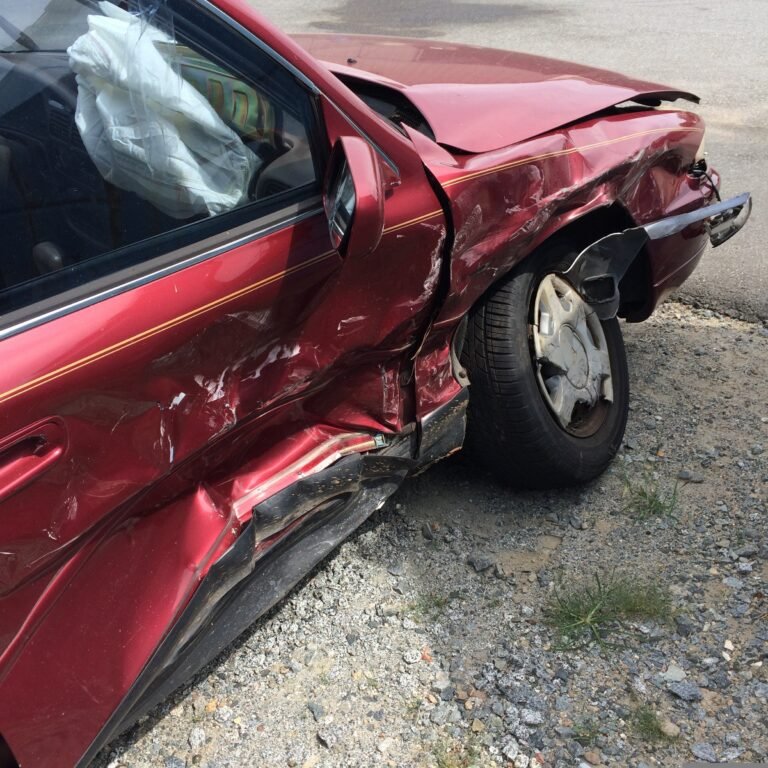
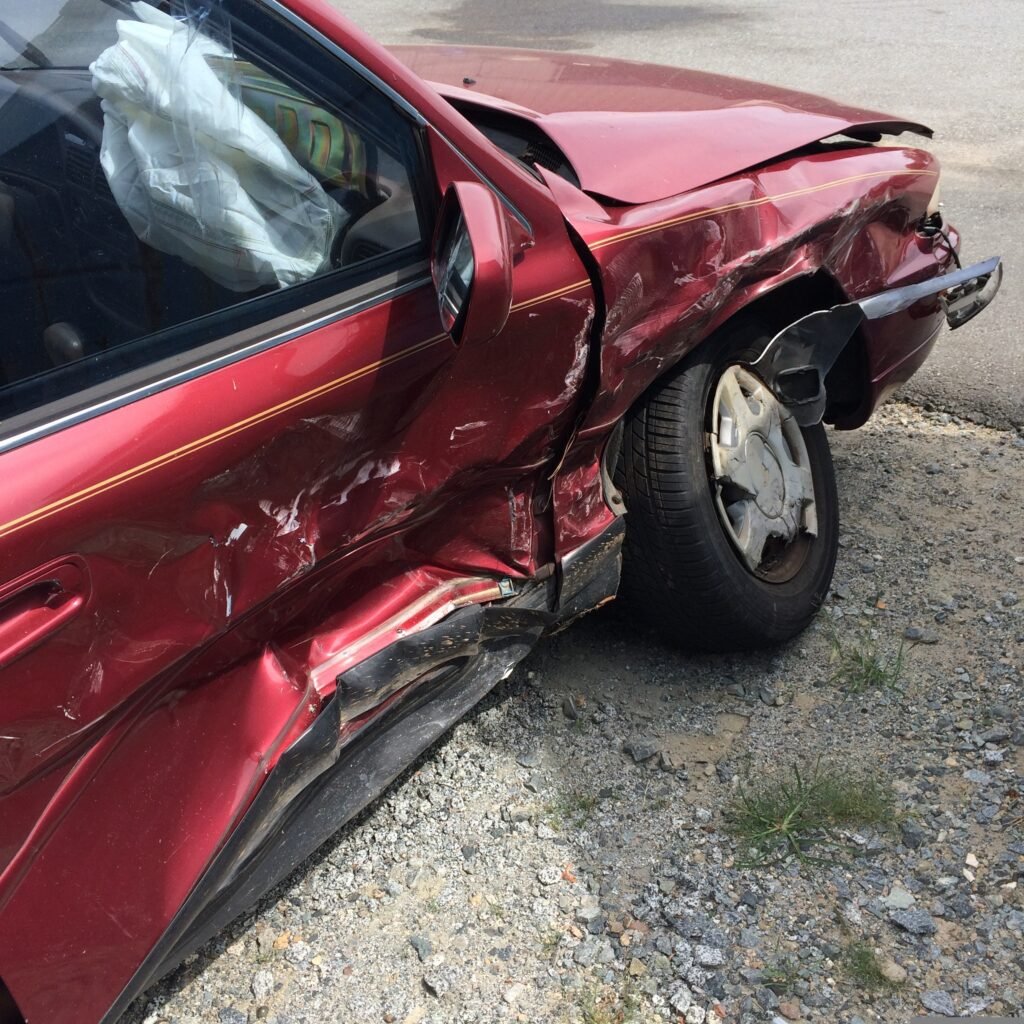
When it comes to drinking and driving, many people believe that as long as they limit their alcohol intake, they can drive safely. However, even minimal drinking can significantly impair driving abilities, leading to dangerous situations on the road.
In Las Vegas, a city known for its vibrant nightlife, DUI-related accidents remain a serious concern. According to recent statistics, nearly 30% of all traffic accidents in Las Vegas involve impaired driving, and a substantial portion of these incidents involve drivers with BAC levels below the legal limit.
The misconception that small amounts of alcohol are harmless is widespread, but research shows that even low levels of alcohol can affect reaction times, judgment, and motor skills. Understanding the risks associated with minimal drinking is crucial for making informed decisions about driving.
Understanding Blood Alcohol Concentration (BAC)
Blood Alcohol Concentration (BAC) measures the amount of alcohol in your bloodstream, expressed as a percentage. Even small quantities of alcohol can raise your BAC and impact your ability to drive.
For example, a BAC of 0.02%—well below the legal limit in many places—can still affect your coordination and judgment. Alcohol impairs brain function, which slows reaction times and diminishes your capacity to make quick decisions.
This is true even when you might not feel noticeably intoxicated. Regular monitoring of BAC levels can help understand how different amounts of alcohol affect your driving capabilities, emphasizing that even minimal drinking can pose risks behind the wheel.
Impact of Minimal Alcohol Consumption on Driving Abilities
Even minimal alcohol consumption can significantly affect driving abilities. Here’s how:
- Cognitive Impairment: Even a BAC as low as 0.02% can impair judgment and decision-making. Drivers may struggle with tasks such as assessing distances or interpreting road signs correctly.
- Reduced Attention: Alcohol impairs the ability to focus on multiple tasks simultaneously. This means drivers may have difficulty paying attention to road conditions, traffic signals, and other vehicles.
- Slowed Reaction Times: Minimal alcohol consumption can lead to slower reflexes. For example, reaction times may increase, making it harder to respond quickly to sudden changes, like a car stopping abruptly in front of you.
- Decreased Motor Skills: Alcohol affects coordination and motor control. Drivers may experience difficulty in executing precise maneuvers, such as steering, braking, and accelerating smoothly.
- Increased Risk-Taking: With even minimal alcohol in the system, drivers are more likely to engage in risky behaviors, such as speeding or aggressive driving. This is because alcohol can lower inhibitions and lead to overconfidence.
- Impact on Vision: Alcohol can affect visual perception, causing issues like blurred vision or difficulty focusing. This can make it challenging to judge distances and speeds accurately.
Research and real-world tests consistently show that minimal drinking impairs driving performance. This impairment is due to alcohol’s effect on the brain regions responsible for motor control and cognitive functions, making even small amounts of alcohol more dangerous than many people realize.
Legal and Safety Implications
Driving after minimal drinking carries both serious legal and safety implications. Many regions impose strict BAC limits for drivers, typically set at 0.08% or lower.
However, even if your BAC is below these legal thresholds, law enforcement can still penalize you if your driving is deemed impaired. Sobriety tests and breathalyzers are used to evaluate impairment, and drivers with minimal alcohol consumption may still face legal consequences if their performance on the road is compromised.
Beyond legal issues, the safety risks are considerable. Alcohol impairs critical driving skills such as reaction time, coordination, and judgment. This means that even a small amount of alcohol can increase the likelihood of accidents, potentially causing injury or death.
The repercussions of impaired driving can include substantial fines, license suspension, and increased insurance premiums. Moreover, in the event of an accident, you could face civil liabilities and legal action from other parties involved.
Thus, understanding the potential legal and safety ramifications of driving after drinking—even minimally—is crucial. Taking proactive steps to avoid driving under the influence can help you stay within legal boundaries and ensure a safer driving environment for everyone.
Preventive Measures and Recommendations
To mitigate the risks associated with minimal drinking and driving, it’s essential to adopt effective preventive measures:
- Plan Ahead: Before consuming alcohol, arrange for alternative transportation options. Designate a sober driver, use a taxi, or book a rideshare service. Planning ahead ensures you have a safe way to get home and avoids the temptation to drive.
- Understand Your Limits: Each person metabolizes alcohol differently. Even small amounts can affect your driving abilities. Familiarize yourself with how alcohol impacts you personally and recognize that impairment can occur with minimal consumption.
- Avoid Risky Behaviors: When you decide to drink, refrain from any activities that involve driving. Alcohol impairs judgment and coordination, making it safer to avoid driving altogether if you’ve had even a small amount of alcohol.
- Use Alcohol Monitoring Devices: Portable breathalyzers can provide a general estimate of your BAC. While not a substitute for professional testing, they can offer insight into how much alcohol is in your system and help you make more informed decisions.
- Educate Yourself and Others: Stay informed about the effects of alcohol on driving. Share this knowledge with friends, family, and colleagues to foster a culture of responsibility. Awareness can help prevent impaired driving and promote safer driving habits.
- Know the Legal Limits: Be aware of local laws regarding BAC limits. Even if your BAC is below the legal threshold, you can still be cited for impaired driving if your abilities are compromised.
Conclusion
Choosing to drive after consuming any amount of alcohol is a gamble with significant risks. The effects of even minimal drinking can compromise your ability to drive safely, influencing your reaction times, judgment, and motor skills.
The potential for accidents and legal consequences underscores the importance of making responsible decisions about alcohol and driving. By understanding these risks and implementing preventive measures, you can contribute to safer roadways and avoid the pitfalls associated with impaired driving.
Remember, the safest choice is always to avoid driving after drinking, no matter how minimal the consumption.