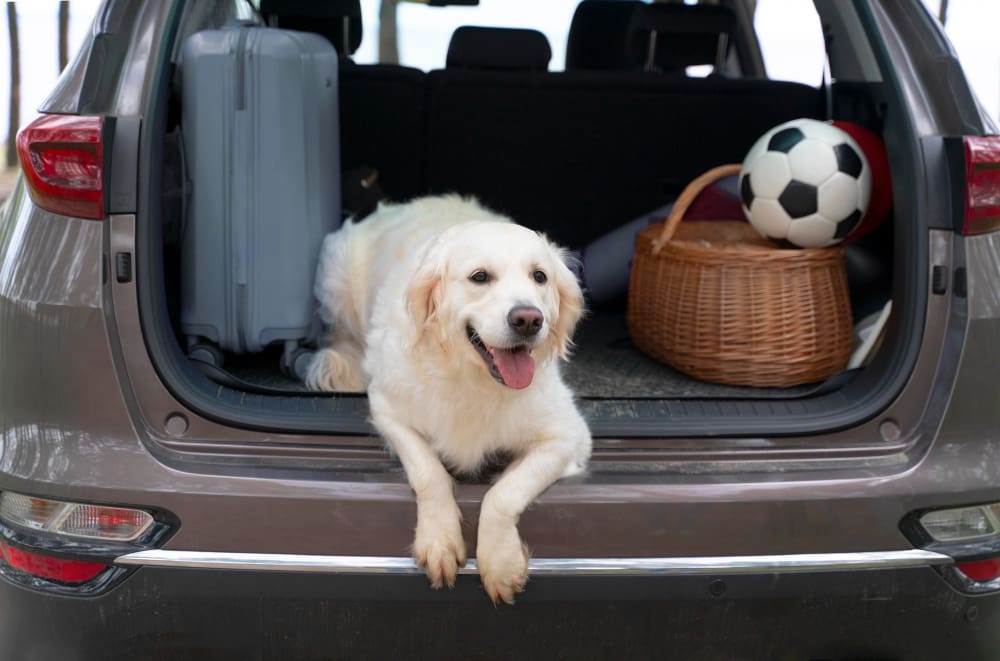
Traveling with your pets can be a wonderful adventure, but it also presents challenges like keeping them safe from fleas and ticks. These pesky creatures are more than just annoyances; they can transmit diseases and cause discomfort for your furry friends. The key is being proactive about flea and tick prevention before and during your trip. By taking a few simple steps, you can ensure a pest-free experience for your pets.
Before you hit the road, consider using preventative measures like FurLife flea collars for dogs to keep your pet safe and comfortable during your travels. These collars provide up to eight months of protection, making them a practical choice for long trips. Additionally, keeping a tick remover handy while traveling allows you to quickly address any tick issues on the spot. Your pet’s comfort and health should be a top priority as you explore new environments together.
Key Takeaways
- Use preventive measures like flea collars.
- Act quickly to remove ticks.
- Prioritize your pet’s comfort and safety.
Pre-Travel Preparation and Preventative Measures
Before taking a trip with your pet, it’s important to plan ahead to keep fleas and ticks away. Consulting with your vet, choosing the right preventatives, applying them properly, and packing a first aid kit can help protect your pet from these pests.
Consulting with a Veterinarian
Visiting a vet before your trip is a good step to ensure your pet’s health. A vet can check if your pet is healthy enough to travel. They might also suggest flea and tick medications that are suitable for your destination.
Ask questions about any risks specific to where you are going. Get advice on products that can prevent skin irritation and other issues.
Choosing the Right Flea and Tick Preventatives
It’s important to choose the right flea and tick preventatives for your pet. Options include flea shampoos and topical treatments. Each has pros and cons, like duration of effectiveness and ease of use.
Consider whether a flea comb might be a good addition to your routine. Your vet can help you decide what works best to avoid potential flea infestations during your travels.
Proper Application of Preventatives
Proper application of treatments is key. Follow instructions on the flea and tick shampoos or topical treatments carefully.
Avoid using products that could irritate your pet’s skin. Make sure all family members know how to help apply these treatments to your pet.
Packing a Pet-Friendly First-Aid Kit
A pet-friendly first-aid kit is important to have in case of emergencies. Include any prescribed medications and a flea comb to check for pests regularly.
It’s wise to pack items such as flea and tick shampoo and apple cider vinegar for potential flea issues. This can help keep your pet comfortable and safe. Check your kit before leaving to ensure nothing is missing.
Identifying and Addressing Parasite Risks While Traveling
When traveling with pets, flea and tick prevention is important. Regular grooming, recognizing environments where ticks thrive, and knowing how to respond to bites are key to keeping your pet safe.
Regular Inspection and Grooming on the Road
Frequent inspections are important to catch fleas and ticks early. Look closely at your pet’s skin, paying special attention to areas like the neck, ears, and belly, where these parasites often hide. Brushing your pet regularly can help remove ticks and fleas before they latch on. Consider using flea combs, which have fine teeth designed to catch small parasites.
While on the road, keep a grooming kit that includes a brush, comb, and natural flea repellent. Some essential oils, such as lavender, can be useful, but ensure they’re safe for pets. Performing a detailed check after your pet has been in areas with long grass or wooded environments is also essential.
Environmental Hazards and Tick Habitats
Ticks thrive in grassy, wooded, and damp areas. Avoid letting your pet roam freely in these places when traveling. If you do venture into these areas, stay on clear paths and avoid high grass. Be cautious of deer ticks, known for spreading Lyme disease.
During rest stops or nature hikes, inspect your pet thoroughly upon returning. Look out for common tick habitats, like under fallen leaves or around logs. Knowing the dangers of tick-borne illnesses such as Rocky Mountain spotted fever, ehrlichiosis, and anaplasmosis reinforces the need for vigilance.
Emergency Response to Flea and Tick Bites
If your pet is bitten, act promptly. Remove the tick with fine-tipped tweezers, grasping it as close to the skin as possible. Pull upward steadily, avoiding twisting, which can leave mouth parts embedded in the skin. After removal, clean the area with soap and water.
Keep an eye out for symptoms of tick paralysis or Lyme disease, which may include fever or lethargy. If you spot any worrying signs, consult a veterinarian, especially if you’re in an area where these diseases are known. Carrying a basic first-aid kit for your pet can be beneficial for immediate care.
Natural and Home Remedy Approaches
Natural options can support parasite prevention. Diluted essential oils like citronella, lemongrass, eucalyptus, cedarwood, and lavender are often used. Always research or consult a professional to confirm these oils are safe for your pet. Avoid applying oils directly; consider collars or sprays made from these ingredients.
Keep your pet’s environment clean by washing bedding and travel accessories regularly. Homemade sprays using water and a few drops of pet-safe oils can help create an additional barrier. While traveling, manage exposure to risky environments and maintain a clean living space to minimize parasite encounters.
Conclusion
Keeping your pet flea and tick-free while traveling is important for their health and your peace of mind. Regular checks and preventive measures play a key role in avoiding these pests.
Use a flea comb to regularly comb through your pet’s fur. It helps catch fleas early and prevents infestations. If you find a tick, remove it quickly to avoid infections.
Applying prevention products like flea collars and spot-on treatments a few weeks before your trip can offer protection. Follow guidelines on how to safely use these products.
Keep pets, particularly dogs, on a leash during walks. It reduces the risk of ticks and other pests from attaching to them. Walking them in cleaner, paved areas can minimize exposure.
Once home, be sure to clean your pet’s bedding and any travel items. Regular washing helps prevent any fleas or ticks from spreading. Using hot water is usually effective in killing these pests.