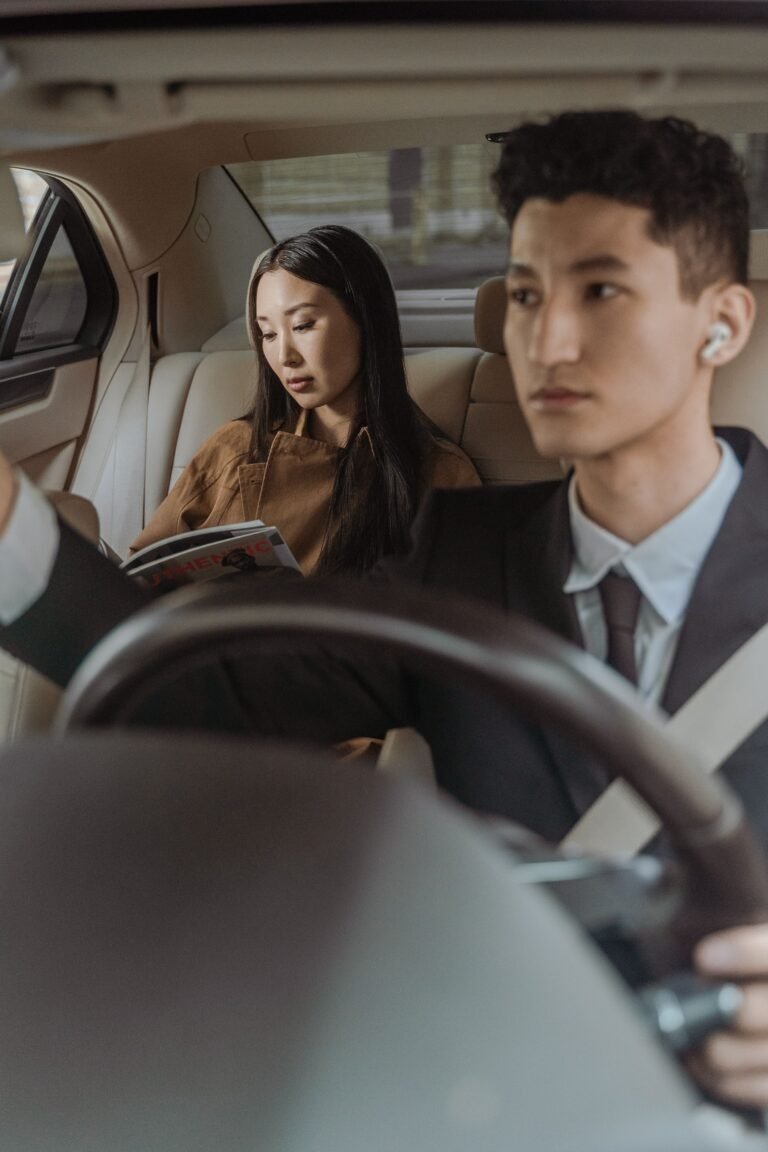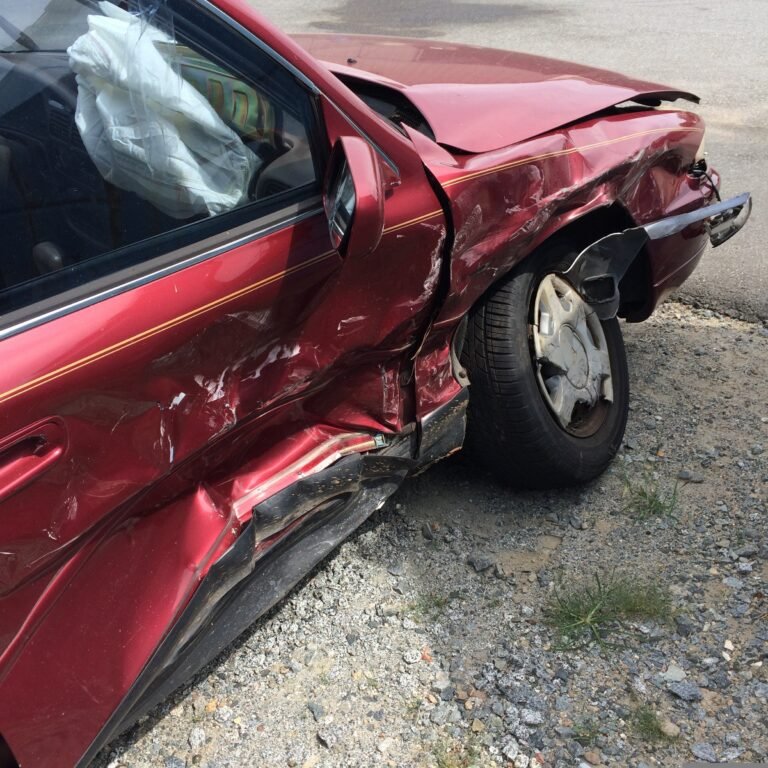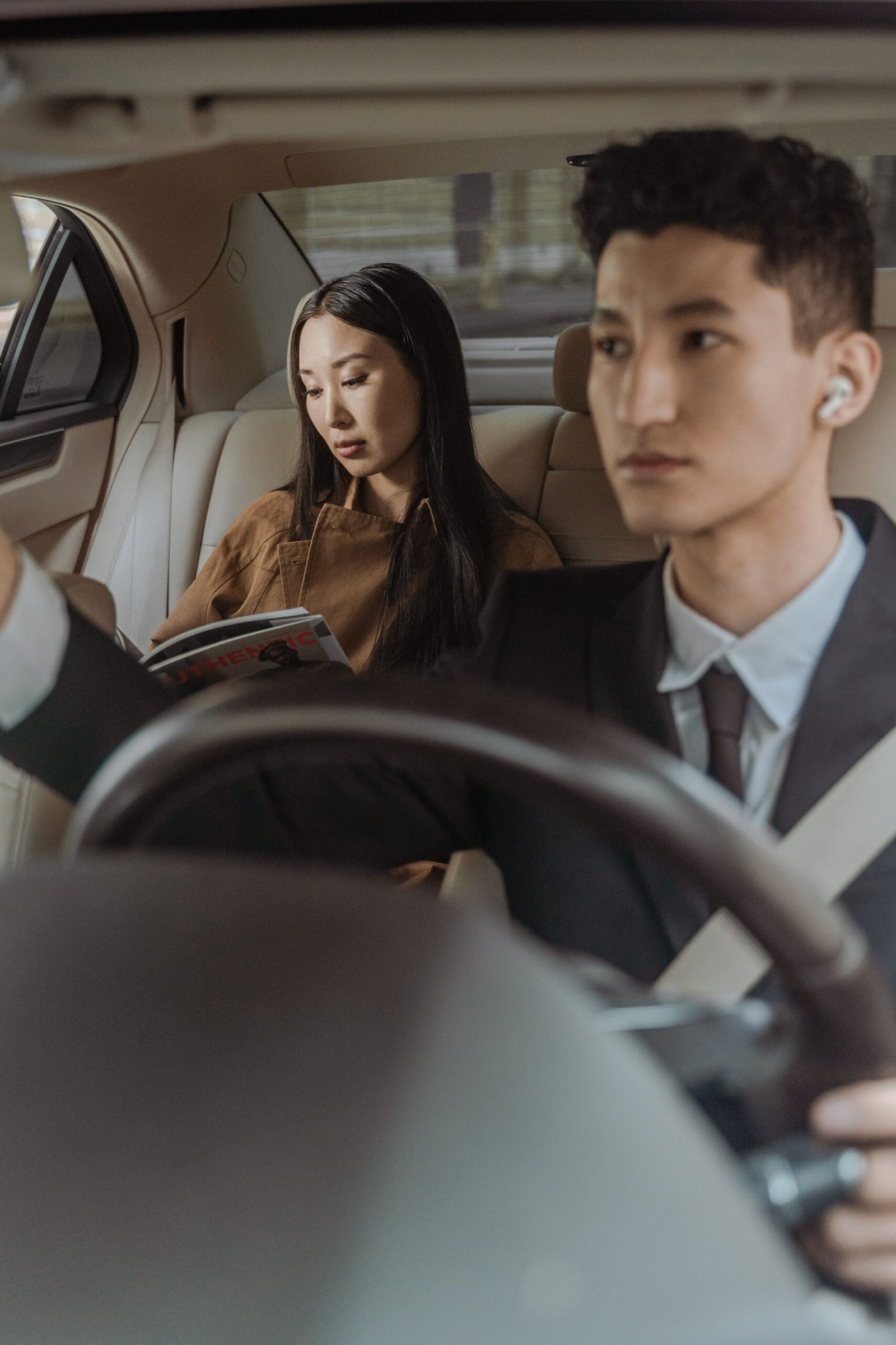
Trust and skill are two different things. You can love someone, ride with them for years, and still be sitting next to a driver who checks a text at the wrong moment, misjudges a yellow light, or drifts because they slept badly the night before. The car doesn’t know how you feel about the person driving it.
This matters most for the group families worry about first: new drivers. Research from the Children’s Hospital of Philadelphia’s teen driver program shows that crash risk doubles when a teen carries one peer passenger and triples with two or more. The friend in the passenger seat isn’t causing the crash on purpose. Two teenagers alone in a car is the dynamic that shifts the odds.
The Passenger Seat Has More Power Than Before
The flip side is worth sitting with. If a passenger’s presence can raise risk, it can lower it too.
The passenger seat used to be passive. Now it’s one of the few places where a distracted or drowsy driver can be interrupted before something goes wrong.
The National Distracted Driving Coalition frames the passenger’s job as the courage to intervene when the person behind the wheel is on their phone, speeding, or clearly too tired to be driving. Speaking up isn’t nagging. It’s the safety feature the car doesn’t have. For families, the practical version looks something like this:
- Offer to handle the phone. If your driver keeps glancing at texts or the map, take the phone and read out what they need. It removes the temptation without making anyone feel scolded.
- Name what you’re seeing. “You’re drifting a little” or “That light was close” is more useful than silence. A calm observation is easier to hear than criticism.
- Call the trip. If a driver is impaired, exhausted, or upset, ending the trip early is a normal thing to ask for. Coffee, a swap, or a rideshare beats finishing the drive the wrong way.
- Belt in, even in the back. Rear-seat belts get skipped on short trips with people we know. That’s the exact context where a low-speed crash still throws an unbelted passenger into the seat in front of them.
When the Trust Assumption Fails, What Passengers Are Left With
Sometimes the speaking up doesn’t happen, or it does and the crash happens anyway. The passenger seat is a strange legal place to end up. You didn’t choose the speed, the lane change, or the phone glance, but you’re the one in the hospital.
Two things tend to surprise families in that moment. The first is that being a passenger usually simplifies the fault question rather than complicating it, because a passenger is almost never the one who caused the crash. The second is that the driver they were riding with, the person they trust, is generally not the person paying the bills – insurance is. And insurance is designed to minimize what it pays out, even to someone the policyholder loves.
That’s where families end up talking to an accident attorney sooner than they expected. Not because they want to sue, but because the medical bills, lost income, and long-tail rehab costs are real and the claim process doesn’t run itself. Knowing that pathway exists is part of the same passenger-seat literacy as belting in the back.
The New Rule for the Passenger Seat
The old rule was simple: ride with people you trust and you’ll be fine. The new rule is a little more work, but not much. Ride with people you trust, and act like the safety of the trip is partly your job too. Belt in on the two-mile trip. Say something when the phone comes out. Take the keys when the person you love shouldn’t be driving.
The passenger seat isn’t the safe seat by default anymore. It’s the seat with the second-best view of the road, and that view is worth using.