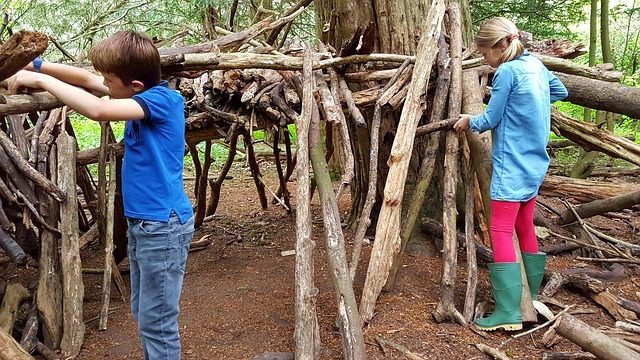
Play-Based Learning: Turning Everyday Chaos into Creative Genius
Imagine a world where “making a mess” is actually encouraged, glitter explosions are a sign of success, and kids can learn fractions while building a pillow fort. That magical place? It’s called play-based learning.
This hands-on, imagination-packed approach to education helps kids explore, problem-solve, and think creatively—all while having fun. Early education centers like Gowrie NSW are all about it, and honestly, it’s a game-changer for parents, too. Especially if you work from home and need a way to keep the kiddos engaged (without resorting to endless cartoon marathons).
Related reading: 8 Activities to Help Your Children Grow and Keep them Engaged
Why Play-Based Learning Rocks (for Kids and Parents)
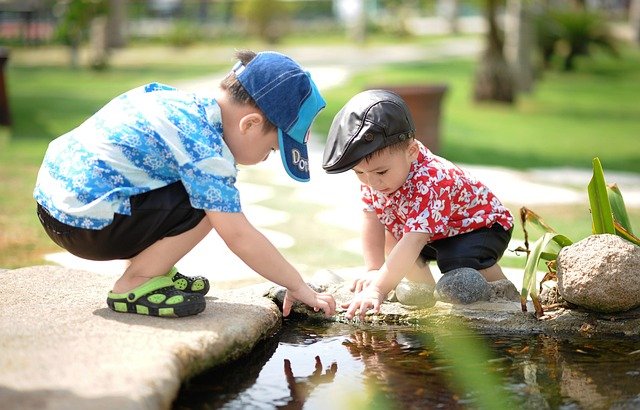
When kids learn through play, they’re not just keeping busy—they’re building confidence, independence, teamwork skills, and that magical spark called creativity. It beats just plopping them in front of the TV because they’re actively exploring, making, and imagining.
Plus, play-based learning boosts their problem-solving skills and social smarts. Basically, you’re helping raise tiny humans who can think outside the box—and maybe even build that box into a rocket ship.
Best Age Range for Play-Based Learning
While technically you can adapt play-based learning for kids up to age 16, it’s especially powerful for ages 0–12. That’s the sweet spot where kids are soaking up life like little sponges—and where forts, costumes, and cardboard castles still feel like the most exciting things in the world.
How to Bring Play-Based Learning Home (Without Losing Your Mind)
No need to be a Pinterest-perfect parent. Just start small:
- Go on a neighborhood “discovery walk” and play I Spy with nature and architecture.
- Turn your living room into an adventure zone with a blanket fort or cardboard maze.
- Let kids lead a DIY art project—like painting a mural in the garage or decorating boxes into “spaceships.”
The trick is giving them enough structure to learn, but enough freedom to get messy and imaginative.
Play vs. Play-Based Learning: The Secret Sauce
Both are fun, but here’s the difference:
- Play = letting kids explore purely for fun.
- Play-Based Learning = having a subtle “learning goal” woven into the fun.
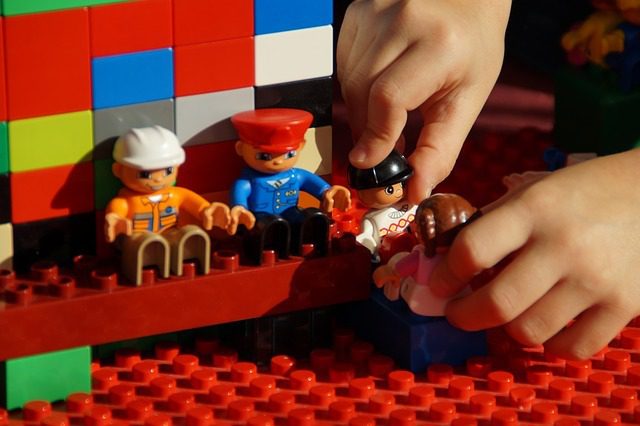
Example: Play might be building a LEGO tower for no reason. Play-based learning might be building a LEGO tower while talking about balance, symmetry, or counting bricks.
Infographic provided by Premium Spores, a provider of premium mushroom spores
Crafty Adventures to Try
Here’s your toolkit for turning a rainy afternoon into a mini learning lab:
- 🎨 Abstract Art Party – Give kids cotton swabs, pipe cleaners, glitter, sponges, and toothpicks to create wild, colorful masterpieces.
- 🎯 DIY Board Game Night – Make your own game board from a cereal box, then play together.
- 🧵 Paper Bag Puppet Theater – Craft characters and act out silly stories. Bonus points for funny voices.
- 🍝 Food Art – Shape dinner into stars, animals, or mystery blobs (and let kids guess before eating).
- 💧 Glitter Watercolor Magic – Paint with watercolors, then add glitter, sequins, or even pressed flowers.
Non-Craft But Still Awesome
-
- Homemade Slime Lab – Experiment with colors, scents, and textures.
- Backyard Obstacle Course – Time each other for extra fun.
- Mega Bubble Chase – Use bubble wands to create and catch the biggest bubbles possible.
- LEGO World-Building – Create themed cities, castles, or wacky vehicles.
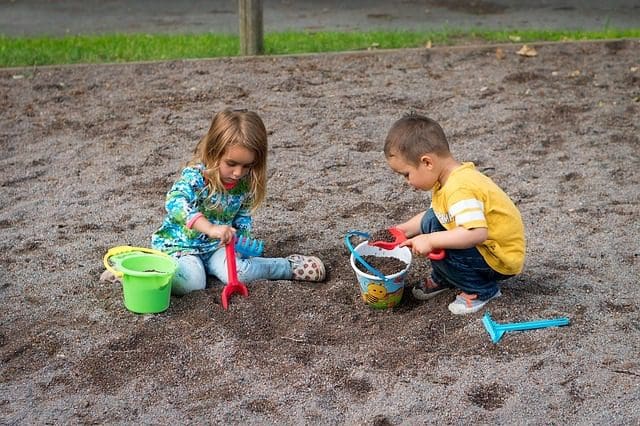
- Beach Day Architects – Build the most elaborate sandcastle ever.
- Cozy Reading Nook – Pile up blankets and read books, magazines, or even comics together.
- Epic Fort Wars – Compete to build the biggest and comfiest blanket fort.
Bottom line: Play-based learning isn’t about perfection—it’s about letting kids explore, imagine, and create while secretly picking up life skills along the way. So grab those art supplies, raid the recycling bin, and turn your living room into a wonderland of curiosity and creativity.