Trying to get your DUI/DWI charges dropped can make it feel like your life is over. From the possible fines and suspensions to the embarrassment and even jail time, the situation can feel serious very quickly.
The first thing to understand is that a charge is not the same as a conviction. Prosecutors still have to prove the case. And depending on the facts, there may be ways to challenge the charge or negotiate for reduced charges.
That doesn’t mean every DUI or DWI charge can be dropped. Some cases are stronger than others. But several factors can affect the outcome, and the earlier you act, the more options you may have.
Hire an Experienced DWI Attorney Right Away
If you’ve been charged with DUI or DWI, one of the smartest things you can do is hire experienced trial attorneys who know the law on DWI in your state. Timing matters because evidence can disappear; early decisions will shape the rest of the case.
A lawyer can review what happened during the stop, request video footage, and look for procedural issues. They’ll begin building a defense strategy while the details are still fresh. They can also help you understand what’s happening with your license, which is often a separate issue from the criminal case.
Look Closely at Why You Were Stopped
One of the first questions in a DUI/DWI case is whether the officer had a lawful reason to stop you. Police generally need a valid reason to pull a driver over. That might be a traffic violation, a visible issue with your vehicle, or questionable driving behavior.
If the stop itself wasn’t lawful, that can become a major issue in the case. Evidence gathered after an improper stop may be challenged in some situations, which can weaken the prosecution’s case enough to lead to a reduction or dismissal.
This is why details matter. A lawyer may look at the police report, body camera footage, dash camera footage, and dispatch records. Based on this, they might be able to question the intent of the stop and get the charge dropped.
Challenge the Field Sobriety Tests
Field sobriety tests are often used to help officers determine whether a driver is impaired. But these tests are not perfect. Consider that:
- A person may struggle with balance for reasons that have nothing to do with alcohol or drugs.
- Age, injuries, footwear, nerves, uneven pavement, weather, fatigue, and certain medical conditions can all affect performance.
- The way the test is explained or demonstrated can cause someone to misunderstand and inadvertently fail.
Let’s be clear: Field sobriety tests are not meaningless. But they should be examined more carefully. An experienced attorney can assess whether the tests were administered properly and whether the officer followed recognized procedures.
Review the Breath or Blood Test
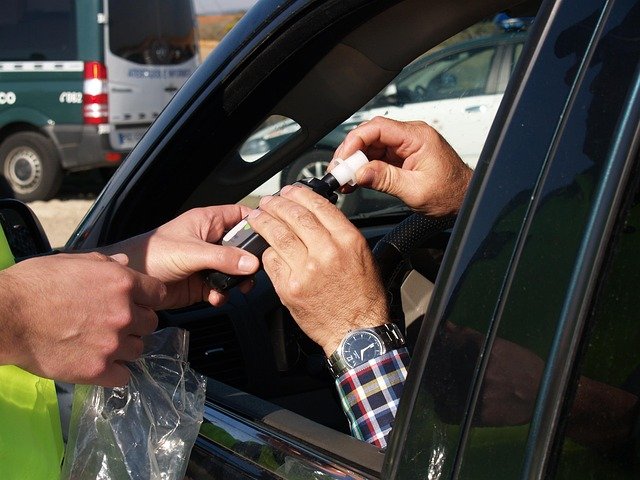
Chemical testing is usually one of the most important parts of a DUI/DWI case. However, it can also be one of the most technical. Breath and blood results may look simple on paper, but the process behind them matters.
For a breath test, the machine has to be maintained and used properly. The officer may need to follow specific procedures. If they don’t, then the test results can be skewed.
Blood testing has its own questions, too. The sample must be collected, stored, transported, and tested properly. If the chain of custody is unclear or the lab process is questionable, the result may be open to challenge. Once again, an attorney can help you figure out the best way to approach these test results.
Look for Procedural Problems
DUI/DWI cases involve lots of rules. Police officers, prosecutors, labs, and courts all have procedures they’re supposed to follow. When those procedures aren’t followed as they should be, the defense may have an opening.
Procedural problems don’t always lead to a dismissal. However, they can affect leverage. If the prosecution sees that part of the case is weaker than expected, they may be more willing to reduce the charge or negotiate a better outcome.
That’s another reason it’s important to have an attorney who understands DUI/DWI practice in your area. Local procedure matters. So does knowing what judges and prosecutors tend to take seriously.
Get Your DUI/DWI Charges Dropped: Adding it All Up
DUI/DWI charges can be dropped or reduced in some cases, but this depends on the facts of the case. The most important thing you can do is take the charge seriously from the beginning. This usually means hiring experienced trial attorneys who know DWI law as soon as possible.
A DUI/DWI charge can have serious consequences, but you still have rights. By leveraging these rights, you can take meaningful steps to have your charges dropped or reduced so you can move on with your life.