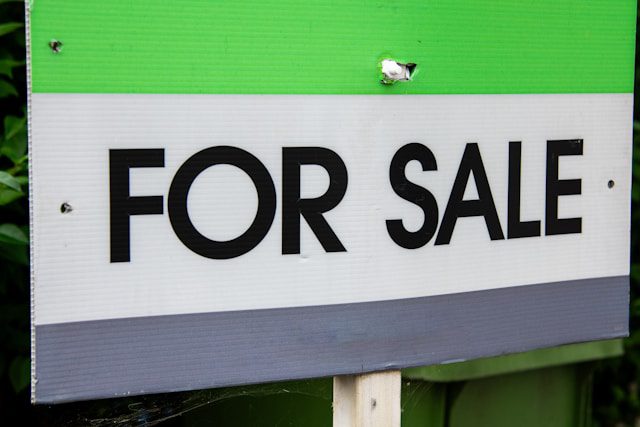
Selling a home can feel confusing at first, especially if you have never gone through the process before. There are many moving parts, decisions to make, and timelines to consider. Understanding how the home-selling process works from start to finish can help you feel more confident and prepared as you move forward.
Deciding to Sell Your Home
The first step in the home-selling process is deciding to sell. Homeowners sell for many reasons, including relocation, financial changes, family needs, or downsizing. Some sellers want to get the highest possible price, while others need to sell their house quickly and move on. Knowing your main goal early on helps guide every decision that follows.
Understanding Your Home’s Value
Once you decide to sell, the next step is to understand your home’s value. Pricing your home correctly is critical. If a house is priced too high, it may sit on the market and lose buyer interest. If it is priced too low, you may miss out on value. Many sellers research recent sales in their area or seek professional input to determine a realistic price. Cash home buyers, such as As-Is Housebuyers, and other people who buy houses often evaluate value based on condition and market demand rather than emotional appeal.
Preparing Your Home for Sale
Preparing the home is the next step. This may include cleaning, decluttering, making minor repairs, or gathering important documents. Some sellers choose to invest time and money into improvements to attract traditional buyers. Others prefer to sell the home as is to avoid repairs altogether. Selling as-is can be appealing to sellers who want a simple process, especially when working with companies like As-Is Housebuyers, which purchase homes in any condition.
Choosing How You Want to Sell
After preparation, sellers must decide how they want to sell. A traditional sale usually involves hiring an agent, listing the home, hosting showings, and negotiating with buyers. This route may take more time, but it can attract buyers looking for a primary residence. Another option is selling directly to cash home buyers. Working with As-Is Housebuyers often focuses on speed, convenience, and fewer steps.
Marketing Your Home
Marketing is a key part of the traditional selling process. This includes photos, property descriptions, online listings, and showings. The goal is to attract qualified buyers and generate interest. For sellers who work directly with people who buy houses, such as As-Is Housebuyers, marketing is usually minimal. The process often begins with sharing basic information about the property and scheduling a walkthrough.
Receiving and Reviewing Offers
Once buyers express interest, offers begin to come in. Each offer includes a price, payment method, closing timeline, and conditions. It is essential to review offers carefully rather than focusing only on the highest number. A strong offer aligns with your timeline and reduces the risk of delays. For sellers who need to sell their house fast, offers from cash home buyers like As-Is Housebuyers often provide more certainty.
Negotiating the Sale
Negotiation may follow the initial offer. Buyers may request price adjustments, repairs, or assistance with closing costs. Sellers can accept, counter, or decline these requests. Understanding your priorities makes negotiation easier. If speed and simplicity matter most, flexibility may be worthwhile. If maximizing value is the goal, you may negotiate more firmly.
What Happens After an Offer Is Accepted
After an offer is accepted, the sale moves into the contract phase. This stage may include inspections, appraisals, and buyer due diligence. Traditional buyers using financing often require these steps, which can add time and uncertainty. Cash home buyers, including As-Is Housebuyers, usually skip many of these requirements, allowing the process to move more quickly and smoothly.
Disclosures, Paperwork, and Escrow
During this phase, sellers also handle disclosures and paperwork. Most states require sellers to disclose known issues with the property. Being honest and organized helps prevent delays and legal problems. Title work and escrow arrangements also begin to prepare for closing.
The Closing Process
The closing stage is when ownership officially transfers from the seller to the buyer. At closing, documents are signed, funds are exchanged, and the buyer receives possession of the home. Closing timelines vary depending on the type of buyer. Traditional sales can take several weeks, while direct sales to homebuyers, such as As-Is Housebuyers, often close much faster.
Moving Out and Transitioning After the Sale
After closing, the final step is moving out and transitioning to your next chapter. Planning ahead makes this step easier and less stressful. Some buyers offer flexible move-out timelines, which can be helpful for sellers managing tight schedules.
The Importance of Communication During the Sale
Communication is essential throughout the entire process. Staying responsive and informed helps keep everything on track. Working with experienced professionals or established buyers, such as As-Is Housebuyers, can also make the process feel more manageable, especially for first-time sellers.
Why Every Home Sale Is Different
It is important to remember that every home sale is different. Market conditions, property condition, and personal circumstances all affect how the process unfolds. While the steps are generally the same, the timeline and experience can vary.
Choosing the Right Path for Your Goals
For homeowners who want clarity and control, understanding each step makes a big difference. Whether you choose a traditional sale or work with As-Is Housebuyers or other cash home buyers, knowing what to expect helps you avoid surprises and make confident decisions.
Final Thoughts on Selling Your Home
In the end, the home-selling process works best when it aligns with your goals. Whether your priority is speed, simplicity, or value, understanding the step-by-step process helps you choose the path that best fits your needs and move forward with confidence.