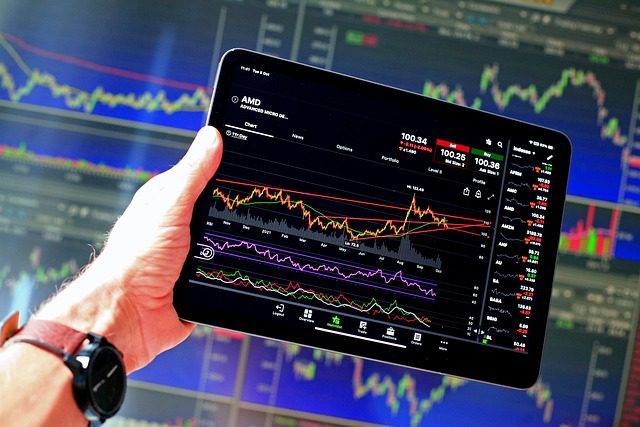
Managing multiple futures trading accounts sounds appealing. In reality, it often means repeating the same actions over and over: placing the same order, adjusting the same stop, and checking whether all accounts remain aligned. Trade Copying helps simplify this process by allowing traders to replicate trades across multiple accounts simultaneously, reducing manual work and helping maintain consistency across their trading strategies.
A cloud trade copier solves this problem. You execute trades on a leader account and automatically copy them in real time to one or more follower accounts. If you’re exploring this approach, tradesyncer.com is an example of a cloud-based trade copier designed for active futures traders.
What a Trade Copier Does
A trade copier copies trades from one account to several others. This includes trade entries and exits, stop-loss and take-profit adjustments, and, depending on your settings, position-sizing rules.
This can be especially useful if you manage multiple prop firm accounts, keep accounts separated by strategy, or want a structured way to scale a single trading process.
Why a Cloud-Based Solution Matters
Some trade copiers run exclusively on your local computer. That can work, but it also makes your setup more vulnerable. If your platform crashes, your computer restarts, or your internet connection becomes unstable, trade copying may be interrupted.
A cloud-based setup offers greater flexibility and reliability. Some practical benefits include reduced dependence on a single device, smoother account synchronization, and a more consistent process during fast-moving markets. For many traders, the real benefit is not simply speed but the reduction of avoidable execution errors.
Features to Look For
Not all trade copiers are the same. When comparing solutions, focus on features that help protect both execution quality and risk management.
Platform and Broker Compatibility
If you use popular futures trading platforms and data feeds, you’ll want a copier that supports your existing setup. Many traders work with NinjaTrader, Tradovate, or Rithmic. Compatibility eliminates unnecessary workarounds and helps keep your workflow simple.
Low-Latency Trade Copying
In volatile markets, delays can result in different fills across accounts. A low-latency trade copier keeps follower accounts closely aligned with the leader account, which can be particularly important when trading with tight stops or under strict prop firm rules.
Risk Controls That Support Prop Trading Rules
Prop traders often need clear risk limits. Look for features such as maximum position size controls, daily loss limits, and lockout-style protections. These safeguards help enforce your trading plan across all follower accounts, even during periods of fatigue or distraction.
Journaling and Performance Tracking
Reviewing performance across multiple accounts can quickly become difficult. An integrated journal or analytics dashboard can help answer questions such as: Did every account follow the same entries? Where did slippage occur? Which trading days delivered the most consistent results?
A Realistic Use Case
Imagine trading a single strategy across five funded accounts. You want every account to follow the same entry and exit logic, but you don’t want to repeat every action five times manually.
A typical workflow might look like this:
- Execute trades on the leader account.
- Allow the copier to replicate those trades across follower accounts.
- Apply risk parameters to ensure followers do not exceed predefined limits.
The biggest benefit is often greater peace of mind and a clearer overview during fast market moves, with fewer manual checks needed to confirm that all accounts followed the same rules.
Risk Disclosure
Trade copying can improve consistency, but it does not eliminate risk. Futures trading involves substantial risk of loss, and no software can guarantee trading results. Use risk limits to maintain discipline and make sure your position sizing matches your circumstances.
Conclusion
If you manage multiple futures trading accounts, a cloud trade copier can help reduce repetitive tasks, improve execution consistency, and support trading discipline. The right tool should prioritize compatibility, reliable synchronization, and strong risk controls.