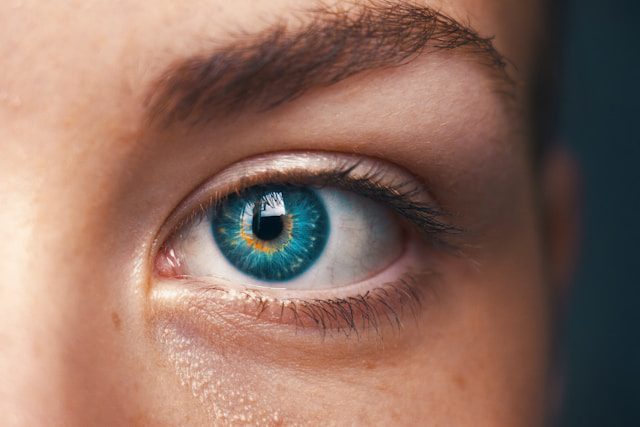
Your eyesight affects your life in more ways than you might realize. It impacts your ability to work, drive, exercise, communicate, and function independently in the world. Good vision supports brain function and keeps you safe, while poor vision can make life hard. Protecting Your Eyesight starts with understanding that eye care matters because healthy vision influences nearly every part of your life. Here’s why you should take it seriously.
1. Healthy vision supports brain function
Your eyes constantly send information to your brain, and your ability to see shapes determines how you process your environment. When your vision declines, your brain has to work harder to process visual details. This extra strain can affect focus and cause mental fatigue when you perform activities that demand sustained visual attention, such as reading and driving.
Good eyesight makes it easier to process details and remember information. It can also make you more productive at work.
2. Strong vision supports physical coordination
It’s difficult to perform certain physical tasks when your vision isn’t great. This applies to daily tasks as well as exercising and playing sports. Your eyes constantly assess depth, movement, distance, and speed, and even a slight decrease in visual clarity can negatively affect your coordination. Good vision won’t automatically make you a better athlete, but it can improve your depth perception and peripheral awareness, allowing you to maximize your natural abilities.
People who have worn glasses for years often get Lasik eye surgery because it makes everything easier, including day-to-day life. According to the American Refractive Surgery Council, more than 96% of patients report being happy with their results, and over 90% achieve 20/20 vision or better.
3. Good eyesight preserves independence
Vision loss is often seen as an inconvenience, but it can also reduce independence by making it harder to drive, work, and enjoy your hobbies. The National Eye Institute states that vision impairment increases a person’s dependence on caregivers and negatively affects their quality of life.
Even a mild decrease in vision can make driving more dangerous, especially at night or in the rain. Taking care of your vision helps you maintain a higher level of independence and freedom in all areas of life.
4. Getting an eye exam can benefit your overall health
Getting a yearly eye exam can reveal warning signs of disease elsewhere in the body and give you time to handle what could be a life-threatening condition. For example, an eye exam can reveal symptoms of:
- A brain stroke
- Heart disease
- Certain cancers like lymphoma, leukemia, and breast cancer
- Diabetes
- High blood pressure
- High cholesterol
Even if your vision seems perfect, when you prioritize your eye health, you’re more likely to schedule yearly exams that can give you a heads up about underlying health conditions.
6 simple ways to protect your vision
1. Focus on nutrition
Just like every other part of your body, your eyes require certain nutrients and hydration to function. Poor sleep, smoking, eating processed foods, and a sedentary lifestyle can all contribute to long-term vision problems.
Your eyes need omega-3 fatty acids for retinal health, which can be found in salmon, sardines, walnuts, and flaxseed. If you’re dehydrated, you’re more likely to experience dry eyes and blurry vision, so make sure you’re drinking enough water every day.
2. Reduce sources of eye strain
If you spend hours on your computer or phone, try putting more distance between you and the screen and reducing the time you spend online. Use the 20-20-20 rule: look at something 20 feet away for 20 seconds every 20 minutes when using a device.
3. Wear sunglasses when needed
Sunglasses that block UVA and UVB rays are helpful when you spend long hours outside. You need some UV light, but excessive exposure can increase your risk of cataracts and retinal damage.
4. Get blue light filtering glasses
When you work for long hours on computers, especially late at night, blue light blocking glasses will help you avoid the circadian rhythm disruption that leads to poor sleep.
5. Blink more often
Keep your eyes from drying out by blinking more often when using devices with screens.
6. Update your glasses prescription
If your glasses don’t work as well as they used to, get a new prescription that suits your current vision.
Protecting Your Eyesight before problems become permanent.
Protecting your eyesight proactively offers long-term benefits that can improve your life. You’ll have an easier time going about your day, working, exercising, driving, and maintaining your independence. Since vision problems often develop gradually, prevention is the best approach.