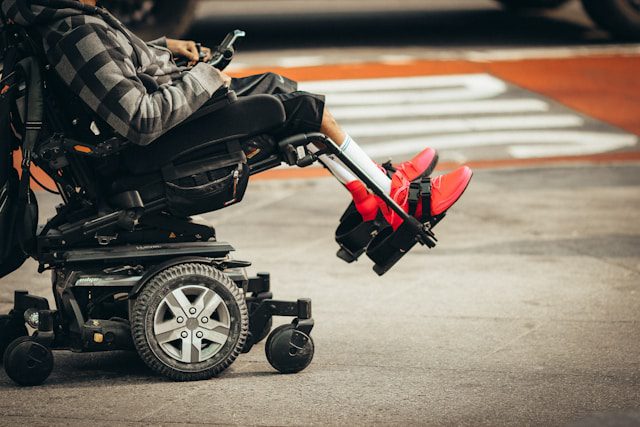
Specialist Disability Accommodation (SDA) is purpose-built housing designed to support people with significant functional impairment or high support needs to live more independently, safely, and comfortably. In Australia, SDA properties are funded under the National Disability Insurance Scheme (NDIS) and are built with thoughtful design features that go well beyond standard housing.
Read on to discover the core features that award-winning providers of SDA housing include in every home.
SDA Design Categories Explained
SDA housing is grouped into four distinct design standards under the NDIS. Each category reflects different functional needs, ensuring homes are built to support safety, accessibility, and day-to-day independence appropriately.
Improved Liveability
This category is designed for people who experience cognitive, intellectual, or sensory challenges. The focus is on making the home easier to understand and navigate, with layouts that reduce confusion and environmental stress. Design elements often prioritize clarity, contrast, and simple spatial flow to support greater independence in daily routines.
Fully Accessible
Fully Accessible SDA homes are tailored for individuals with significant physical disabilities who rely on mobility aids such as wheelchairs or walkers. These properties prioritize barrier-free movement, featuring wider corridors, step-free entry points, accessible bathrooms, and practical layouts that allow residents to move safely and comfortably throughout the home.
Robust
Robust housing is built with durability and safety at the forefront. It is intended for participants who may require a more resilient environment due to concerning behaviors. These homes typically include reinforced construction materials, acoustic considerations to reduce noise transfer, and fittings designed to withstand higher levels of wear and tear while still maintaining a liveable, calm environment.
High Physical Support
High Physical Support homes are the most intensive SDA design category, created for individuals with complex and high-level physical needs. These properties often include ceiling hoist provisions, assistive technology integration, emergency power backup systems, and fully accessible layouts that support both residents and carers in delivering safe, efficient daily care.
Common Features of Accessible Homes
Beyond the core SDA design categories, a range of additional features often appear in accessible homes to further support safety, independence, and day-to-day usability. These elements can vary depending on the resident’s needs and the property design, but they all contribute to creating a more functional living environment.
Accessible Design
At the heart of every SDA home is accessibility. These properties are designed to remove physical barriers that can make daily life difficult.
Common features include:
- Step-free entryways and level flooring throughout
- Extra-wide doorways and hallways for wheelchair access
- Open-plan layouts to allow easy movement between rooms
- Adjustable bench heights in kitchens and bathrooms
The goal is simple: to ensure residents can move freely and safely throughout their home without unnecessary restrictions.
Bathroom and Kitchen Modifications
Bathrooms and kitchens are often the most heavily modified areas in SDA housing.
In bathrooms, you’ll typically find:
- Roll-in or hobless showers
- Grab rails strategically placed for support
- Non-slip flooring
- Adjustable or accessible-height basins
In kitchens:
- Lowered benchtops for wheelchair users
- Pull-out shelves and easy-reach storage
- Lever-style taps instead of twist handles
- Clear under-bench space for seated use
These features are designed to support independence while maintaining dignity and safety.
Assistive Technology Integration
Many modern Specialist Disability Accommodation homes incorporate assistive and smart technologies to improve daily living and reduce reliance on physical assistance.
This can include:
- Automated lighting and climate control systems
- Voice-activated devices for doors, blinds, and appliances
- Emergency call systems or duress alarms
- Remote monitoring options for support workers or careers
These technologies help residents manage their environment more easily and safely.
Robust Construction for Safety and Durability
SDA housing is built to a higher standard than typical residential homes, particularly in terms of durability and safety.
Features may include:
- Reinforced walls for installing grab rails and hoists
- Impact-resistant materials
- Slip-resistant flooring throughout
- Secure entry systems for added safety
This level of construction ensures the home can support specialized equipment and withstand long-term use.
Improved Mobility and External Access
Access doesn’t stop at the front door. SDA homes are designed to ensure smooth transitions between indoor and outdoor spaces.
Key features often include:
- Wide, level pathways around the property
- Accessible parking or carport spaces
- Ramps instead of stairs
- Low-threshold or sliding doors leading outdoors
These design choices make it easier for residents to come and go safely and independently.
Supporting Independence Through Purpose-Built Housing
Specialist Disability Accommodation housing plays a vital role in supporting Australians with significant disabilities to live more independently and safely. Through thoughtful design, assistive technology, and tailored construction standards, these homes remove barriers and create environments that genuinely support quality of life.
As demand for accessible housing continues to grow, SDA properties are becoming an increasingly important part of Australia’s broader housing landscape, offering not just shelter, but independence, dignity, and long-term stability.