If you have been dealing with joint pain, a nagging tendon injury, or chronic discomfort that has not responded well to physical therapy or medication, you have probably come across the term PRP. What Are PRP Injections is a question many people ask as platelet-rich plasma therapy has moved from elite sports medicine into mainstream pain management over the past decade, and it is showing up in conversations about everything from knee injuries to hair restoration to skin rejuvenation.
But what actually is it? How does it work? And is it genuinely worth the cost?
These are fair questions, and the answers depend on understanding what PRP is designed to do at a biological level. Here is a clear breakdown.
The Basic Idea Behind PRP
PRP stands for platelet-rich plasma. Your blood contains several components: red cells, white cells, plasma, and platelets. Platelets are small cells best known for clotting, but they also carry a concentrated supply of growth factors that play a direct role in tissue repair. When you get a cut, platelets rush to the site and begin triggering a healing response. PRP therapy takes that same principle and applies it precisely to an injured area that the body has not been able to repair on its own.
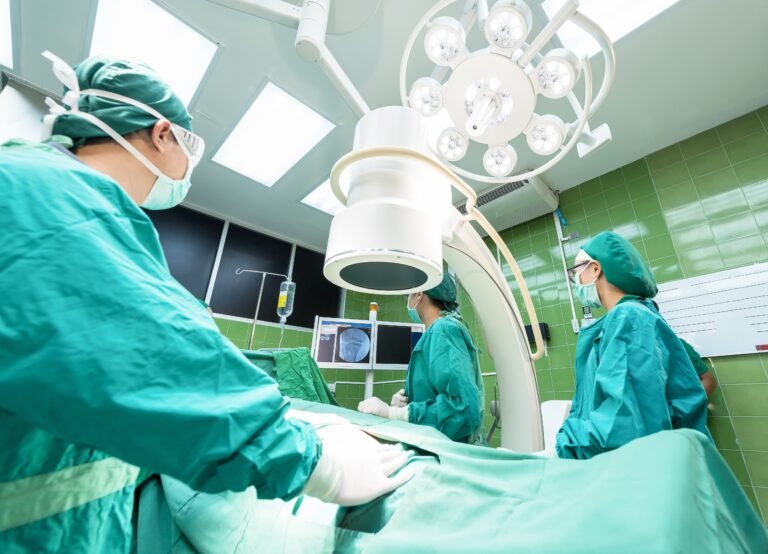
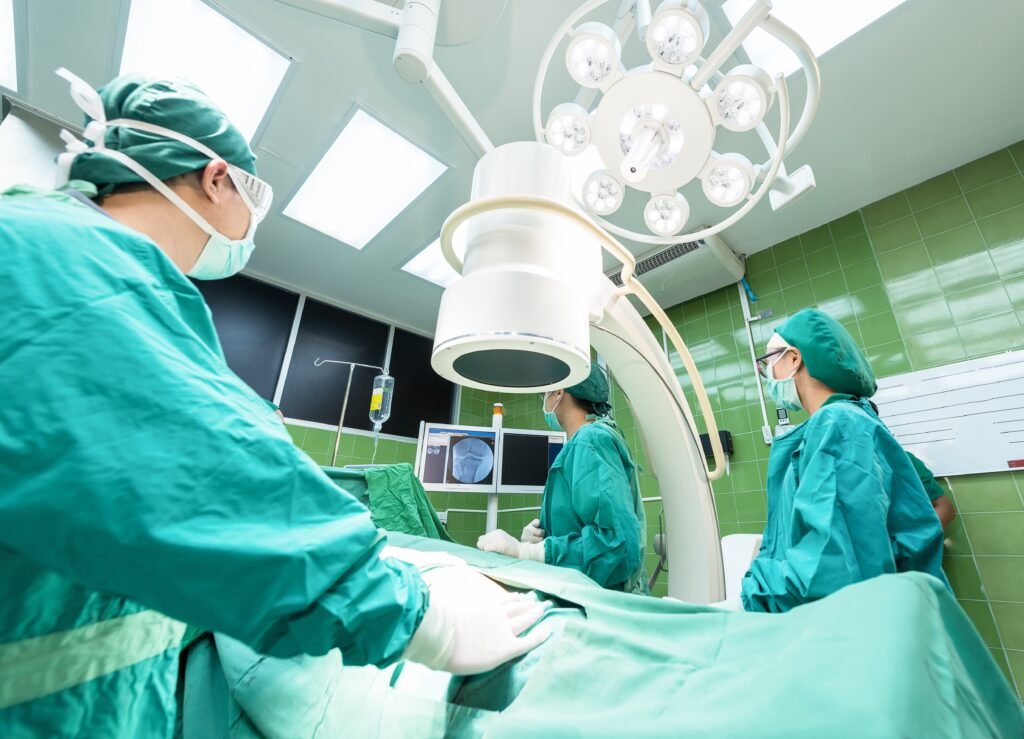
The procedure starts with a blood draw. That blood is placed into a centrifuge, which spins it at high speed to separate the components. The resulting platelet-rich plasma, which contains a far higher concentration of growth factors than normal blood, is then injected directly into the damaged tissue using imaging guidance to ensure accurate placement.
The goal is to jumpstart a healing process that has stalled, without relying on medication or surgery.
What PRP Can Help With
PRP has been studied and used clinically across a wide range of musculoskeletal and soft tissue conditions. Common applications include:
- Osteoarthritis of the knee, hip, and shoulder
- Tendon injuries such as tennis elbow, plantar fasciitis, and rotator cuff tears
- Ligament damage and joint instability
- Spine pain, including sacroiliac joint dysfunction and disc-related pain
- Nerve injuries and neuropathy
- Post-surgical pain that has not resolved fully
Beyond orthopedics, PRP has gained traction in dermatology for hair loss treatment and in aesthetic medicine for skin texture and elasticity. The underlying mechanism is the same: concentrated growth factors signaling the body to repair and regenerate.
How PRP Differs From a Cortisone Shot
This comparison comes up constantly, and it is worth addressing directly. Cortisone injections are anti-inflammatory medications that work quickly and effectively to reduce swelling and pain. They are useful tools and are covered by most insurance plans, making them a common first step.
But cortisone does not repair anything. It quiets the inflammatory response temporarily. For many patients, the relief lasts weeks or months before the pain returns, leading to a cycle of repeated injections. Over time, high-dose corticosteroids can also degrade cartilage and weaken tendons with repeated use.
PRP works through a completely different mechanism. Rather than suppressing the body’s response, it amplifies the repair process. One interventional pain physician describes it this way:
“Cortisone is turning off a fire alarm. It quiets things quickly. PRP is more like sending in a repair crew to actually fix what’s damaged.”
The distinction matters to patients considering long-term outcomes. A treatment that quiets pain for a few months is different from one designed to address the underlying structural damage.
The Quality Difference That Most Patients Do Not Know About
Not all PRP is created equal, and this is one of the most important things to understand before pursuing treatment.
PRP quality varies based on several factors: the volume of blood drawn, the centrifuge technology used, the platelet concentration achieved, and the precision with which the final product is delivered. A clinic using a small draw volume and a basic centrifuge produces a product that looks like PRP on paper but may have a fraction of the growth factor concentration of a carefully prepared formulation.
Imaging guidance during injection matters just as much. Ultrasound and fluoroscopy allow a physician to place PRP exactly where it needs to go. Without that precision, even a high-quality product may miss the target tissue entirely.
This is partly why PRP has mixed results in some published studies. Variability in preparation and delivery protocols makes it difficult to compare outcomes across providers, and a study using low-concentration PRP delivered without imaging is not measuring the same treatment as one using high-concentration PRP placed precisely under guidance.
What PRP Injections Actually Cost
Most health insurance plans do not cover PRP. It is classified as a regenerative or elective procedure, and coverage has not kept pace with the clinical evidence. That means patients pay out of pocket, and pricing varies significantly depending on the provider, the condition being treated, and the protocol used.
At specialized pain management practices, PRP injection costs typically range from a few thousand dollars on the lower end to $15,000 or more for complex, multi-region cases. Single-joint treatments tend to fall in the lower to mid part of that range, while spinal cases or multi-area treatment sessions will run higher.
Several factors affect the final price:
- Number of treatment areas. A knee tendon is a very different case from a lumbar spine with multiple affected levels. Treating several areas in a single session changes the scope and cost.
- PRP concentration and blood draw volume. Higher-quality protocols draw more blood and use more sophisticated processing to achieve greater platelet concentration. This costs more to prepare but generally produces more consistent outcomes.
- Imaging guidance. Fluoroscopy and ultrasound guidance add to the procedural cost but significantly improve accuracy.
- Combination therapies. Some practices pair PRP with shockwave therapy or laser treatment to enhance the healing response. These add to the total cost but may reduce the number of sessions needed.
- Provider credentials and protocol. A double board-certified physician following a standardized clinical protocol carries different overhead than a general practitioner offering PRP as an add-on service.
The more honest cost comparison is not PRP versus a single cortisone shot. It is PRP versus the accumulated cost of a treatment path that does not resolve the problem: repeated injections over years, ongoing medication management, missed work, and potentially surgery. Knee replacement surgery, for example, typically costs between $30,000 and $50,000 before accounting for rehabilitation and time off work.
How Many Sessions Does It Take?
This varies by condition and provider protocol, but many patients with straightforward orthopedic injuries require only one session when the PRP preparation is highly concentrated and delivered precisely. The idea is that a single well-prepared, well-placed treatment can accomplish what multiple lower-quality injections cannot.
More complex conditions, systemic issues, or cases where multiple areas require treatment may involve follow-up sessions. The appropriate approach depends on the patient’s response and the nature of the injury.
Who Is a Good Candidate?
PRP is not appropriate for everyone. Candidates who tend to see the best outcomes generally share a few characteristics:
- They have a specific structural injury or degenerative condition that has not resolved with conservative care.
- They want to avoid surgery or have been told they are not yet surgical candidates.
- They are not dependent on anti-inflammatory medications that can interfere with PRP’s mechanism of action.
- They have realistic expectations about recovery timelines; PRP initiates a biological process that unfolds over weeks to months, not days.
Patients with active infections, certain blood disorders, or those on blood thinners may not be suitable candidates. A thorough consultation with a physician who performs PRP regularly is the right starting point.
Finding the Right Provider
The provider’s credentials and experience level performing PRP matter more than most patients realize. Questions worth asking during a consultation include:
- How long have you been performing PRP injections?
- What volume of blood do you draw, and what concentration are you aiming for?
- Do you use imaging guidance for placement?
- Are you affiliated with any standardized PRP protocols or networks?
- What does a realistic outcome look like for my specific condition?
A provider who answers these questions with specificity and who reviews your imaging and treatment history before recommending PRP is approaching it as a medical decision, not a sales pitch.
What Are PRP Injections Bottom Line
PRP injections represent a meaningful shift in how pain medicine approaches tissue damage. Rather than managing symptoms indefinitely, the goal is to give the body what it needs actually to repair. For patients dealing with conditions that have not responded to conventional care, it offers a biologic path that sits between doing nothing and undergoing surgery.
The cost is real, and it requires careful consideration. But for the right patient, with the right provider, the value of a treatment that targets the source rather than masking the signal can far outweigh the upfront investment.
If you are weighing your options, the most important step is a consultation with a physician who performs PRP as a core part of their practice and can tell you honestly whether you are a good candidate.
If you are in the New York or New Jersey area, Pain Doctors Medical is a multi-location regenerative medicine practice led by Dr. Ilana Etelzon, MD, a double board-certified interventional pain physician and certified Regenexx provider. The practice specializes exclusively in regenerative treatments including PRP injections, bone marrow concentrate therapy, MLS laser therapy, and shockwave therapy, with locations in Brooklyn, Clifton, Newark, and Perth Amboy.