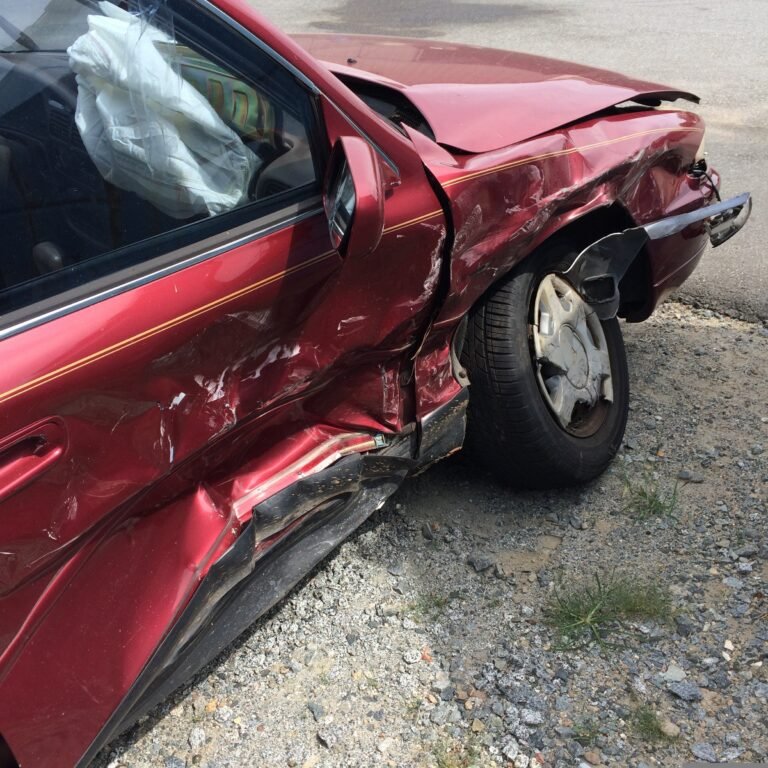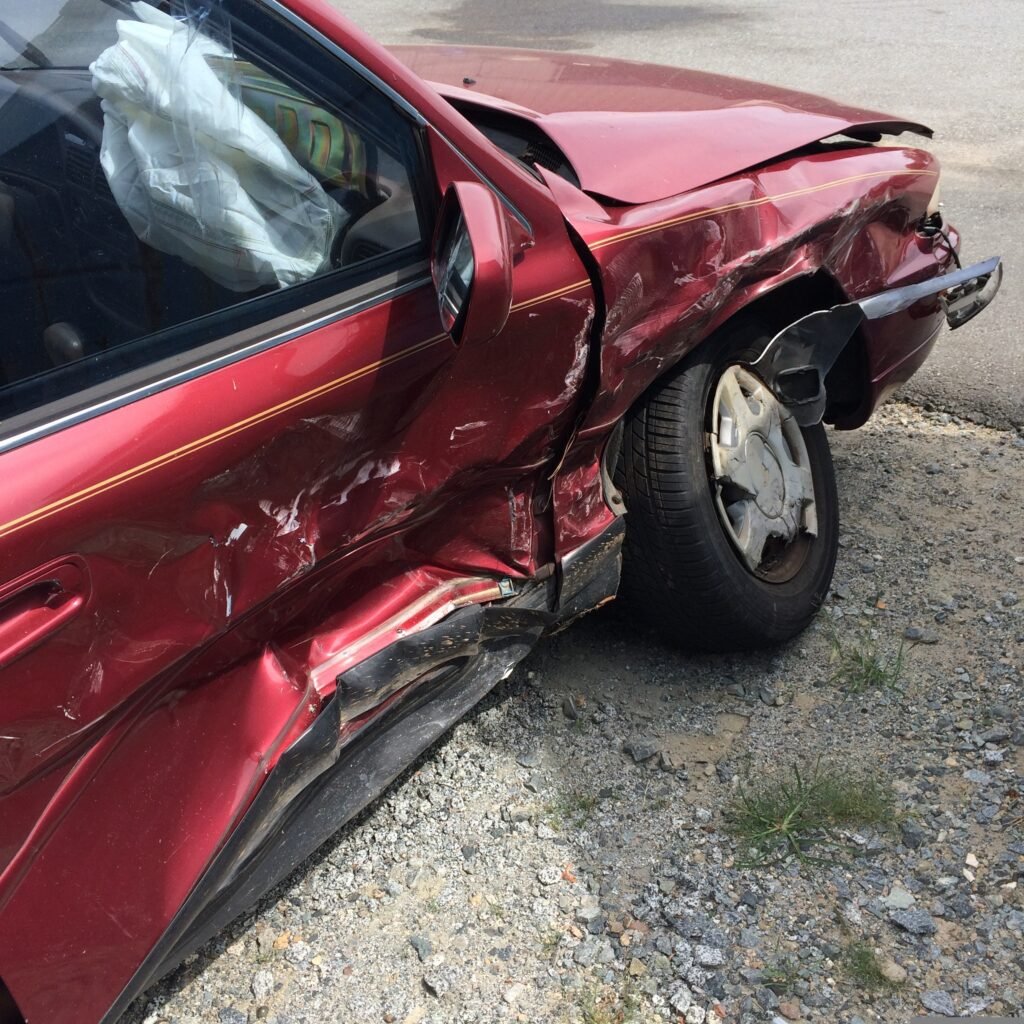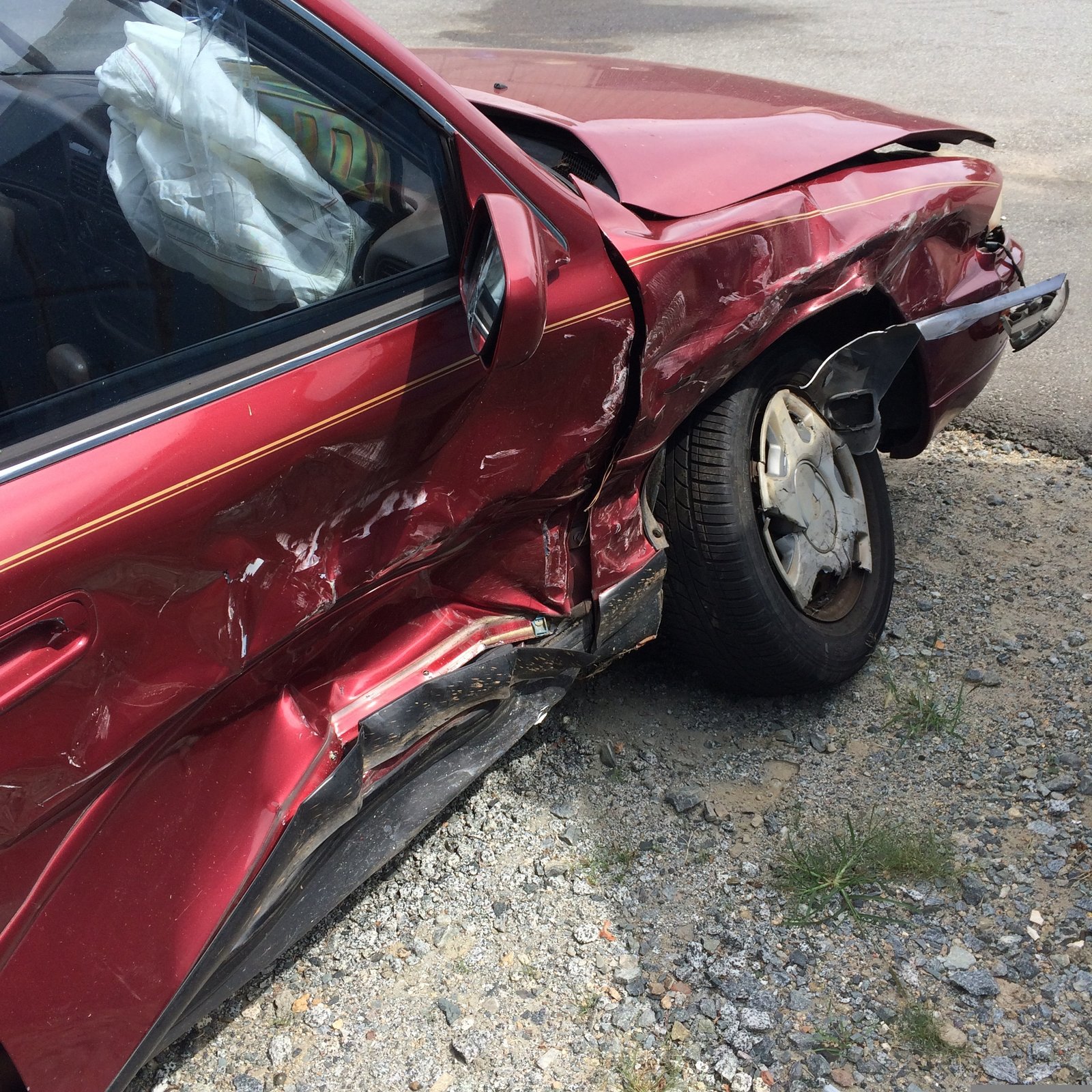
Most family gloveboxes are set up to fail the moment they’re needed. Inside: a stack of expired insurance cards, a warped owner’s manual, a few crumpled napkins, and a tire gauge that stopped working two minivans ago. Then someone taps your bumper in the school pickup line, and you find out what’s missing.
The fix isn’t a longer checklist. It’s fewer wrong assumptions. Below are the myths that trip up otherwise-organized families, and what belongs in the car before something goes wrong.
A Current Insurance Card Isn’t Optional Paperwork
The most common glovebox problem isn’t clutter. It’s an insurance card that expired six months ago because the new one came in the mail and got shoved in a kitchen drawer. Insurers issue cards for a specific coverage period. Once that window closes, the card in your glovebox is a piece of paper, not proof of anything.
Swap the card the same day the new one arrives. If your insurer offers a digital ID card through their app or your phone’s wallet, add it as a backup, but keep the paper version in the car too.
Phones die at the worst possible times, and a stressed teenage driver may not remember which app to open at the roadside.
Your Phone Camera Is Not a Complete Documentation Kit
The assumption makes sense. You have a camera, a notes app, and voice memos in your pocket, so why bother with anything analog? Because at the scene of a crash, batteries drain fast, hands shake, and screens crack. A pen and a small notepad don’t care about any of that.
A basic documentation kit in the glovebox should include:
- Pen and small notepad. For writing down the other driver’s name, phone number, insurance company, policy number, plate, and the make and model of their car.
- A short prompt card. A single index card listing what to collect at the scene: names, contact info, insurance details, plate numbers, vehicle descriptions, witness names, and time and location.
- Emergency contacts on paper. Written out, not just saved in a phone. Include a family member, your pediatrician, and any medical notes for anyone who regularly rides in the car.
- A pre-written medical card. Allergies, medications, and conditions for each family member. If a parent is knocked out cold, first responders shouldn’t have to guess.
Photos still matter. Take plenty of them, of both vehicles, all angles, license plates, the surrounding road, and any visible injuries. But treat the phone as one tool among several, not the whole plan.
A First Aid Pouch and a Roadside Kit Are Two Different Things
Families often buy one small kit, stash it under a seat, and call the car prepared. A minor collision exposes the gap. The pouch that handles a scraped knee at soccer practice won’t help you make your car visible to oncoming traffic on a dark shoulder.
Split the job in two. Keep a compact first aid kit in the glovebox within arm’s reach of the driver: bandages, gauze, antiseptic wipes, gloves, and anything specific to your family. Then keep a separate roadside kit in the trunk with a flashlight, reflective triangles, jumper cables, a phone charger, a blanket, and water.
Being Ready at the Scene Is Not the Same as Being Ready After
This is the myth that costs families the most money. You can do everything right in the first ten minutes, calmly exchange information, take clean photos, file a report, and still lose ground in the weeks that follow. Reporting requirements after an unattended crash vary by jurisdiction, so check what your state requires and by when. Missing that window can complicate a claim later.
A few habits help more than a bigger glovebox:
- See a doctor promptly. Even in a low-speed hit, soft-tissue injuries and concussions can show up a day or two later. A same-week medical record ties any symptoms back to the crash.
- Keep every receipt. Rideshares, rental cars, prescription copays, childcare you had to arrange around an appointment. These add up faster than families expect.
- Don’t guess at fault. Not with the other driver, not on a recorded call with an adjuster, not in a social media post about your day. Stick to facts.
- Know when to get help. If anyone was hurt, if the other driver is uninsured, or if the insurance offer feels rushed, it’s reasonable to talk with a car accident attorney before signing anything. The consultation is usually free, and the wrong signature is hard to undo.
A fender bender is a bad afternoon. It doesn’t have to become a bad month. The families who come through with the least damage, financial and otherwise, are the ones who set the car up on a calm Saturday and didn’t rely on memory when it counted.