Rear-end collisions are among the most common types of car accidents on the road. Nearly every driver has experienced that moment of sudden braking, whether on a highway, at a stoplight, or in slow-moving traffic. Because these crashes are so frequent, they’re often viewed as minor or routine. In reality, rear-end collisions can cause serious injuries, complicated liability disputes, and long-term consequences that are easy to underestimate.
Understanding how common rear-end collisions are, why they happen, and how they’re handled legally can help drivers take these accidents more seriously from the start.
Why Rear-End Collisions Occur So Frequently
Rear-end accidents usually occur when one vehicle fails to stop in time and hits the vehicle ahead. While the mechanics are simple, the underlying causes vary.
Following too closely is one of the most common factors. Drivers who don’t leave enough space between vehicles have little margin for error if traffic slows suddenly. Distracted driving is another major contributor. Looking at a phone, adjusting controls, or even daydreaming can delay reaction time just long enough to cause a crash.
Speed also plays a role, as even small increases in speed reduce the time available to react, especially in congested areas. Weather conditions, such as rain or ice, can further increase stopping distance, making rear-end collisions more likely when drivers don’t adjust their behavior accordingly. Because so many everyday driving situations involve stopping, slowing, or congestion, rear-end crashes occur in a wide range of settings, from highways and intersections to parking lots and residential streets.
The Importance of Acting Early After a Rear-End Collision
Because rear-end accidents are so common, insurers often process them quickly — and not always in favor of the injured party. Early statements, medical records, and documentation can shape the trajectory of a claim.
This is why many people choose to consult a lawyer early in the process, even when an accident appears minor. Early legal guidance can help ensure that evidence is preserved, injuries are adequately documented, and communications with insurers don’t unintentionally undermine a claim. Waiting too long can make it harder to address disputes, especially if injuries worsen or liability is questioned later.
Traffic Patterns and Modern Driving Habits
Modern driving environments contribute to the frequency of rear-end collisions. Heavier traffic volumes mean more stop-and-go traffic, increasing the likelihood of sudden braking. Commutes are longer, distractions are more prevalent, and many drivers are navigating unfamiliar roads or relying heavily on GPS systems. Additionally, vehicles today are quieter and more comfortable, which can reduce a driver’s sense of speed or urgency. When combined with frequent distractions, this can create conditions where drivers are less attentive to changes in traffic flow.
Are Rear-End Collisions Always the Rear Driver’s Fault?
There’s a common assumption that the driver who rear-ends another vehicle is automatically at fault. Although this is often true, it’s not a universal rule. In many cases, the rear driver is found liable because drivers are expected to maintain a safe following distance and remain attentive. However, exceptions exist. If the front vehicle stops abruptly for no reason, has non-functioning brake lights, reverses unexpectedly, or creates a hazard through reckless behavior, fault may be shared or shifted. Determining liability requires examining the specific circumstances of the crash, including traffic conditions, vehicle condition, driver behavior, and available evidence.
Why Rear-End Collision Claims Can Become Disputed
Despite their frequency, rear-end collision claims aren’t always straightforward. Insurance companies may downplay injuries, argue that the impact was too minor to cause harm, or suggest that pre-existing conditions are responsible for symptoms. Liability disputes can also arise when multiple vehicles are involved, such as chain-reaction crashes in heavy traffic; in these situations, determining who caused the initial impact and how responsibility should be divided can be complex. What seems like a simple accident at first can quickly become more complicated once insurance negotiations begin.
Evidence That Matters in Rear-End Collision Cases
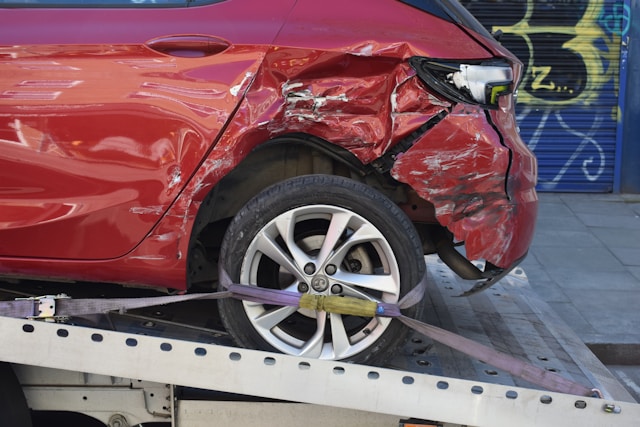
Key evidence in rear-end collision cases often includes police reports, photographs of vehicle damage, witness statements, and medical records. In some cases, vehicle data or dash camera footage may also be relevant. Timing matters here as well, as skid marks fade, vehicles are repaired, and memories change or disappear. The sooner evidence is gathered and organized, the stronger the foundation of the claim. Early involvement by a lawyer can help coordinate this process and identify gaps before they become problems.
Common Accidents, Real Consequences
Rear-end collisions are common precisely because driving involves constant stopping, slowing, and reacting to others. That frequency doesn’t make them insignificant. Instead, it highlights how easily everyday driving can lead to injury when attention lapses or conditions change. Understanding how common rear-end collisions are (and why they deserve careful attention) can help drivers respond more thoughtfully if they’re involved in one. Early action, proper documentation, and informed decision-making can make a meaningful difference in how these cases ultimately resolve.