Staying warm during the coldest months doesn’t have to mean skyrocketing energy bills. Smart, efficient home heating not only keeps you comfortable but also helps you control expenses and support sustainability. Before winter sets in, discover the most effective ways to optimize your indoor heating and ensure every bit of warmth goes a long way. Whether you are maintaining, upgrading, or just using your system more wisely, these actionable tips will equip you to tackle the chill without waste. For homeowners looking to boost their comfort and savings, professional assistance can make a big difference—especially if you need furnace installation in Edison, NJ. Implementing effective heating strategies can enhance energy efficiency and minimize environmental impact. Regular maintenance and smart usage habits are crucial. A holistic approach combines comfort, efficiency, and technology for optimal results.
Regular Maintenance of Heating Systems
Ensuring your heating system is in excellent working order is the first line of defense against inefficiency. Just like any other home appliance, furnaces and heat pumps require consistent upkeep to operate at their peak. Start with simple tasks, such as replacing or cleaning air filters every month during heavy-use seasons, as clogged filters decrease airflow and strain the system. This routine action can significantly reduce unnecessary energy consumption.
In addition to at-home care, schedule annual inspections with a certified HVAC professional. A technician can check for safety issues, calibrate settings, and address minor repairs before they become major headaches. Investing in maintenance not only preserves your equipment but also ensures it operates more efficiently for an extended period.
Proper Insulation and Sealing
Even the most powerful heater will struggle to keep a drafty house warm. Insulation forms a barrier against heat loss, especially crucial in attics, basements, and walls. Ensure your home’s insulation meets the recommended R-values for your climate, as this can prevent a significant percentage of heat from escaping. Add a proper seal around windows, doors, and attic hatches to avoid air leaks adding another layer of efficiency. Weatherstripping and caulking are straightforward DIY solutions that help block out cold air and keep warmth in, thereby reducing heating costs year-round.
Don’t overlook small spaces—gaps around plumbing, vents, and electrical outlets are all potential cold spots. Effective insulation and sealing will create a more uniform indoor temperature and reduce the load on your heating system, ultimately resulting in greater savings and fewer cold spots between rooms.
Utilizing Programmable Thermostats
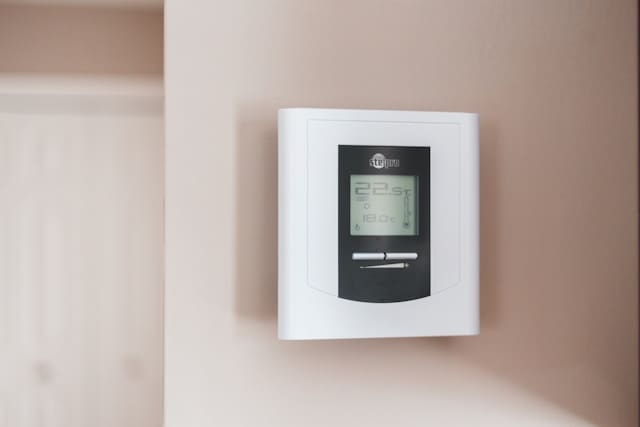
Programmable and smart thermostats have revolutionized home heating and cooling efficiency. Instead of constantly adjusting the temperature by hand, you can schedule automatic changes that fit your daily routine. Set the temperature lower while everyone’s asleep or away, then have it warm up or cool down right before you get home. The U.S. Department of Energy states that adjusting your thermostat back 7°–10°F for eight hours a day can reduce annual heating and cooling costs by up to 10%. Additionally, smart thermostats provide remote control and learning capabilities, making it easier than ever to enjoy both comfort and energy savings.
Upgrading to Energy-Efficient Appliances
If your heating system is over 15 years old, you need to upgrade to a modern, energy-efficient model. New ENERGY STAR-rated furnaces, boilers, and heat pumps are designed to convert more fuel to usable heat, minimizing wastage. High-efficiency furnaces utilize advanced technologies, such as variable-speed blowers and two-stage heating, to operate quietly and reduce cycling. Meanwhile, heat pumps offer an efficient electric alternative, particularly in milder climates. Older equipment can be a hidden source of wasted money, so a new heating system could pay for itself quicker than you expect. It’s also smart to upgrade or service related equipment, such as ductwork and thermostats, to ensure the entire system works in harmony for maximum efficiency.
Leveraging Natural Heat Sources
Don’t underestimate the power of sunlight. During daylight hours, keep curtains and shades open to let in warmth, especially on south-facing windows. As the sun sets, promptly close window coverings to trap the heat inside, reducing the need for artificial heating. Even in the coldest months, this simple daily habit helps maintain a warmer interior with no energy cost. Consider rearranging furniture as well—keep radiators, baseboards, and vents unobstructed so warm air can circulate freely throughout the room. Optimizing the flow ensures you get the most from the heat you already have.
Using Ceiling Fans to Distribute Heat
Most people associate ceiling fans with cooling, but they’re equally effective in winter for improving heat distribution. By running your fan in a clockwise direction on a low setting, you push the rising warm air back down into the room. This method works exceptionally well in rooms with high or vaulted ceilings, making them noticeably more comfortable and reducing your reliance on the thermostat for added warmth. Reliable resources, like Consumer Reports, recommend this simple yet impactful trick.
Managing Window Coverings
Window treatments offer an easy and effective way to boost your home’s heating efficiency. Thermal or insulated curtains help block drafts and reduce heat loss through glass, creating a barrier that keeps warmth inside where it belongs. The right combination of blinds, shades, or drapes can help maintain a steady and comfortable indoor temperature throughout the year. For extra protection, inspect your window seals and replace any worn weatherstripping to ensure optimal performance. Even minor fixes—like sealing a rattling window—can make a noticeable impact on both comfort and energy costs.
Conclusion Efficient Home Heating
Efficient home heating is the result of thoughtful planning and small, consistent actions. Regular system maintenance, proper insulation, intelligent thermostat use, energy-conscious upgrades, and utilizing natural warmth are all practical steps to a cozier, more affordable winter. By integrating these strategies, you can enjoy a comfortable home environment while minimizing expenses and environmental impact.