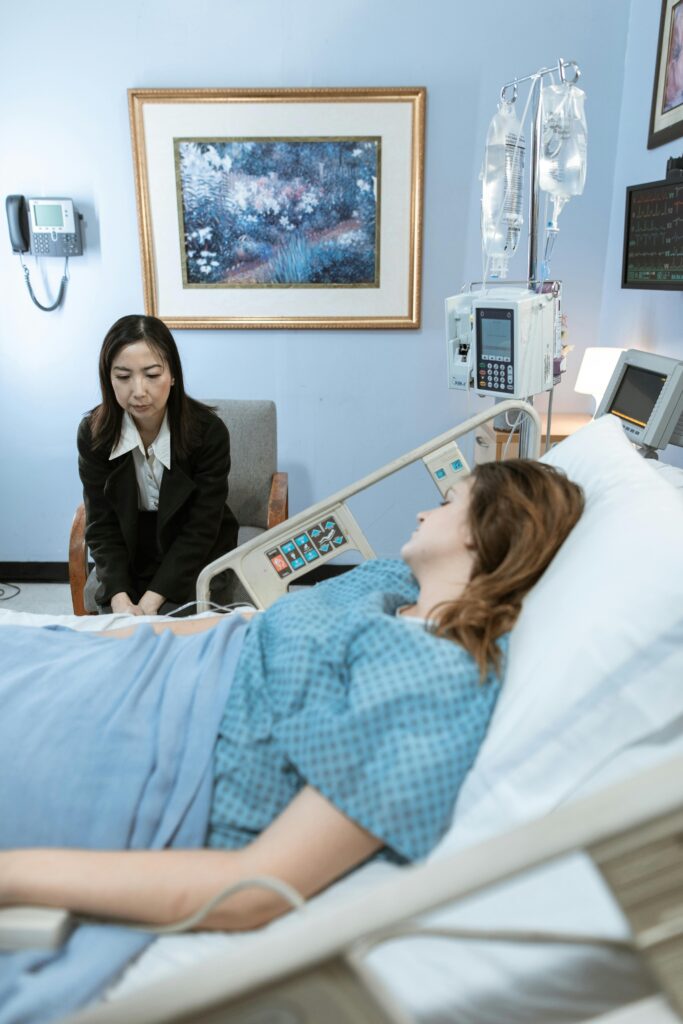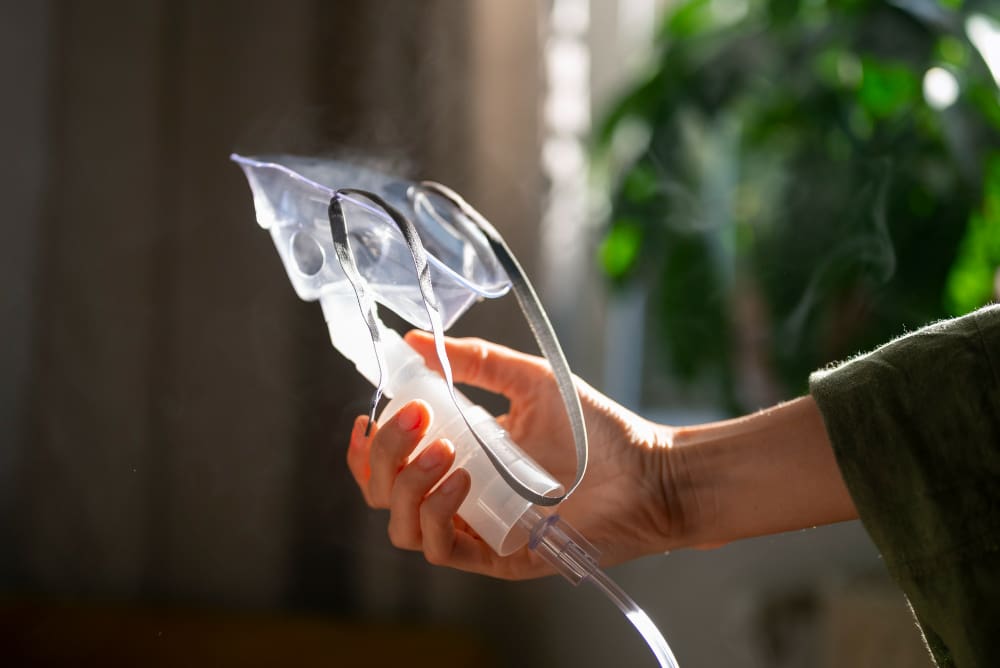
Automatic CPAP (Continuous Positive Airway Pressure) machines, or APAP (Automatic Positive Airway Pressure), are advanced devices for the treatment of obstructive sleep apnea (OSA) and other respiratory disorders. They provide a constant flow of pressurized air that automatically adapts to the patient’s needs in real-time. This makes therapy more comfortable and effective. Let’s take a look at the practical application of automatic CPAP devices, including their setup, use, maintenance, and therapy results.

Setup
Initial diagnosis and selection of devices:
- Before starting therapy, the patient should be diagnosed by a sleep physician or pulmonologist, who will determine the presence of OSA and the need for CPAP therapy.
- Based on the results of the diagnosis, the doctor recommends the type of CPAP machine, in particular, APAP, if the patient requires adaptive pressure during sleep.
Individual settings:
- An APAP machine requires an initial setup that can be performed by a physician or medical device specialist. This includes setting the minimum and maximum air pressure levels.
- Some modern APAP machines can automatically adjust based on data from the first few nights of use.
Mask selection:
- Choosing the right mask is critical to successful CPAP therapy. The mask should fit snugly to the face without causing discomfort.
- There are different types of masks: nasal, nasal-mouth, and full-face. A doctor or specialist will help you choose the best option for each patient.
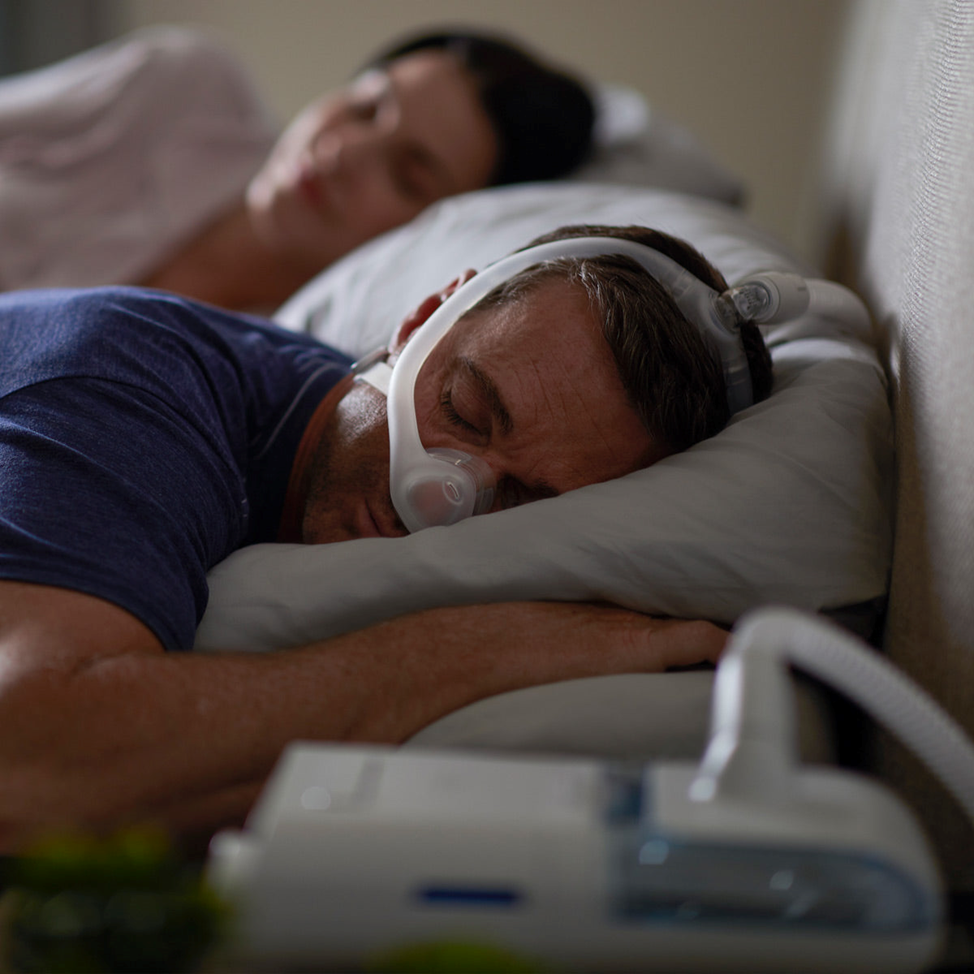
How to use
Operating modes:
- APAP machines operate in automatic mode, adjusting air pressure depending on the patient’s needs. This avoids excessive or insufficient pressure, ensuring a comfortable and effective sleep.
- Most APAP machines have a manual setting option, allowing the patient or physician to adjust the settings as needed.
Comfort and convenience:
- Modern APAP machines are equipped with features that increase comfort during use, such as humidification and heated tubing to prevent dry mucous membranes.
- Integration with mobile applications allows patients to monitor their therapy, receive reports on sleep quality, and adjust settings via smartphone.
Monitoring and feedback:
- APAP devices are equipped with sensors that continuously monitor the patient’s breathing patterns. The data is stored on a memory card or transmitted to a server via wireless communication.
- The doctor can analyze this data, adjust the settings of the device, and provide recommendations to the patient.
Maintenance and support
- Cleaning and hygiene:
- Regular cleaning of the mask, tubing, and water tank is important to ensure effective and safe therapy. Patients should follow the manufacturer’s instructions for cleaning and replacing components.
- Most APAP machines have removable parts that can be washed or sterilized.
- Technical support:
- Modern APAP devices have a long service life but may require maintenance or repair. Patients should contact authorized service centers in case of problems.
- Manufacturers and suppliers usually provide technical support and advice on how to use the device. To order a device and get professional advice, please contact us:
https://medsupplycart.com/collections/auto-cpap-machines-1
Treatment results and patient feedback
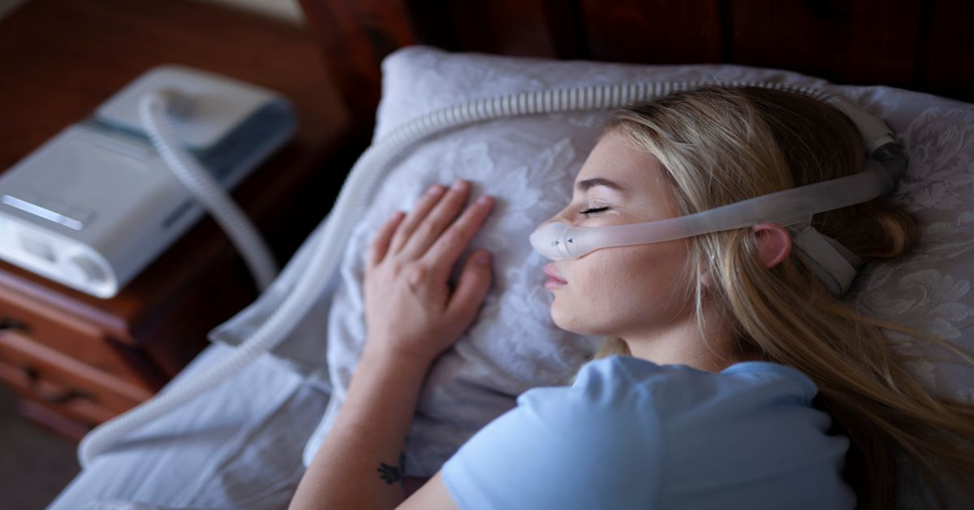
Improved sleep quality:
- Patients who use APAP devices report significant improvement in sleep quality and a reduction in the number of awakenings and apnea-hypopnea episodes.
- After a few weeks of regular use, the therapy helps to reduce daytime sleepiness, improve mood, and increase performance.
Long-term benefits:
- Regular use of an APAP device helps reduce the risk of developing cardiovascular diseases such as hypertension, stroke, and heart failure.
- Patients report improved overall health and increased vitality.
Convenience and ease of use:
- An intuitive interface and the ability to customize via a mobile app make APAP devices easy to use, even for older patients.
- The portability and battery life allow the device to be used while traveling and in remote locations.
Automatic CPAP machines are an effective and convenient treatment for obstructive sleep apnea and other respiratory disorders. They provide individualized air pressure settings, improve the comfort and convenience of therapy, and allow doctors to monitor and adjust treatment based on objective data. Regular use of an APAP device helps to improve sleep quality, reduce the risk of cardiovascular disease, and improve the overall health of patients. Modern technologies make therapy affordable, effective, and comfortable.