If you have ever looked up natural ways to manage appetite, you have probably come across some pretty unusual suggestions. But ear acupressure tends to stop people mid-scroll because it sounds too specific to be made up. Tiny pressure points on the outer ear that influence hunger? It is a real thing, and it has been practiced for decades.
The concept comes from auriculotherapy, a branch of traditional medicine based on the idea that the outer ear contains a map of the entire body. When specific points on the ear are stimulated, it may send signals to the corresponding area of the body through the nervous system. For weight loss purposes, the target is usually the hunger point, a small spot on the ear associated with appetite regulation.
Here is what you actually need to know about it.
What Is Auriculotherapy and How Does It Apply to Weight Loss?
Auriculotherapy is a form of alternative therapy rooted in traditional Chinese medicine, though it has also been studied and practiced in Western clinical settings. The ear is treated as a microsystem of the body, meaning that stimulating different points on the auricle (the outer visible part of the ear) is believed to influence organs and systems throughout the body.
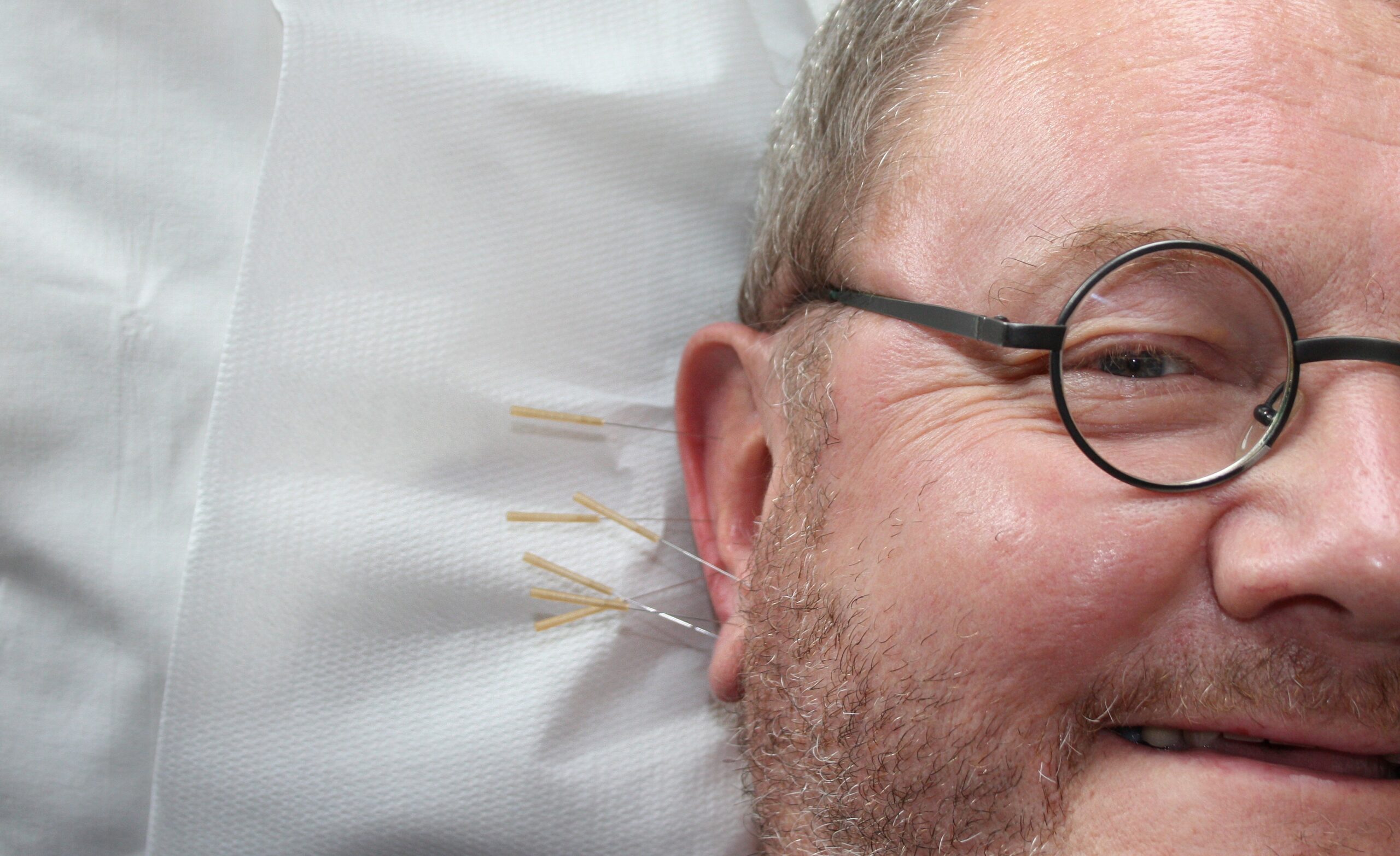
In weight-loss contexts, practitioners typically focus on the hunger point, also called the Shen Men point, as well as the stomach and endocrine points. Stimulation can be applied through needles in a clinical setting (ear acupuncture) or through small acupressure spheres pressed against the skin. The latter approach is at the core of the ear acupressure for weight loss method used by some natural weight management practices.
The working theory is that activating these points helps reduce the intensity of hunger signals, ease cravings, and in some cases promote a calming effect that reduces stress-related eating.
What Does the Research Say?
The research on ear acupressure and weight loss is modest but worth knowing about. A number of small clinical studies have shown positive outcomes, particularly for reducing body mass index and waist circumference among overweight adults.
A review published in Obesity Reviews looked at multiple trials and found that auricular acupressure produced statistically significant reductions in weight and BMI compared to control groups. Another study published in the Journal of Alternative and Complementary Medicine found that participants who received auricular acupressure alongside a reduced-calorie diet lost more weight than those who followed the diet alone.
The mechanisms are not completely understood, but researchers point to a few possible explanations: stimulation of the vagus nerve, which runs near the ear and plays a role in digestion and satiety; modulation of ghrelin and leptin, two hormones that regulate hunger; and a general reduction in cortisol, the stress hormone strongly linked to overeating and belly fat accumulation.
To be clear, no single study has been large enough to be definitive, and most experts categorize this as complementary support rather than a standalone treatment. But the evidence is more substantial than you might expect for something that sounds so unconventional.
How the Process Actually Works
In a clinical setting, a practitioner identifies the relevant pressure points on the ear using a probe or by feel. Small metal or magnetic spheres, sometimes called seeds, are then placed on the points and secured with a small piece of adhesive tape. The patient applies gentle pressure to each sphere several times a day, usually before meals or when hunger cravings arise.
Sessions vary in length and frequency depending on the individual and the approach. Some practices use a single placement that stays on for several days, while others do fresh placements at each session. The spheres are small enough that most people forget they are wearing them between sessions.
This is distinct from ear acupuncture, which requires needles inserted by a licensed practitioner. Acupressure spheres are non-invasive and can be worn throughout daily life.
Who Might Benefit from It
Ear acupressure tends to appeal most to people who:
- Are looking for drug-free support alongside a healthy diet
- Struggle with persistent cravings, especially for carbohydrates and sugar
- Have tried conventional dieting and found the hunger difficult to manage long-term
- Want a complementary approach that does not involve medications or invasive procedures
It is not a magic fix, and anyone claiming it will produce dramatic results without any dietary changes should be approached with skepticism. But as a tool for reducing hunger intensity and making caloric reduction more manageable, the anecdotal and clinical support is notable.
People with needle anxiety often find the acupressure sphere approach particularly approachable since it involves no needles and no discomfort beyond mild pressure.
A Few Practical Considerations
If you are curious about trying ear acupressure for appetite control, here are a few things to keep in mind:
Find a trained practitioner. Point placement matters. The hunger point, stomach point, and Shen Men are specific locations, and accuracy affects results. A practitioner experienced in auriculotherapy will know exactly where to place the spheres.
Give it adequate time. Most practitioners recommend committing to several weeks of consistent sessions before evaluating results. Like most natural approaches, it works gradually.
Use it as support, not a substitute. Ear acupressure is most effective when paired with reasonable dietary changes. It is a tool for reducing hunger, not a replacement for nourishing the body well.
Check for any contraindications. People with certain skin conditions on the ear or who are pregnant should consult a practitioner before starting.
The Bottom Line
Ear acupressure for weight loss sits at an interesting crossroads between ancient tradition and modern research. The idea that stimulating small points on the outer ear can influence hunger hormones and appetite signals sounds unusual at first, but the underlying physiology is more grounded than many people expect.
It is not a replacement for sustainable lifestyle habits, and results will vary from person to person. But for anyone searching for a non-invasive, drug-free way to take the edge off persistent hunger during a weight loss effort, it is a genuinely worthwhile approach to learn about and consider.
One practice that has built its entire program around this approach is Sadkhin Therapy, a natural weight loss center with over 30 years of clinical experience. Founded by Gabrielle Sadkhin, the practice specializes in auriculotherapy using custom ear acupressure sphere placement to help clients manage hunger and reduce cravings without medication or invasive procedures. Sadkhin Therapy operates across New York, New Jersey, and Florida, working with clients who want a structured, practitioner-guided alternative to conventional weight loss methods.