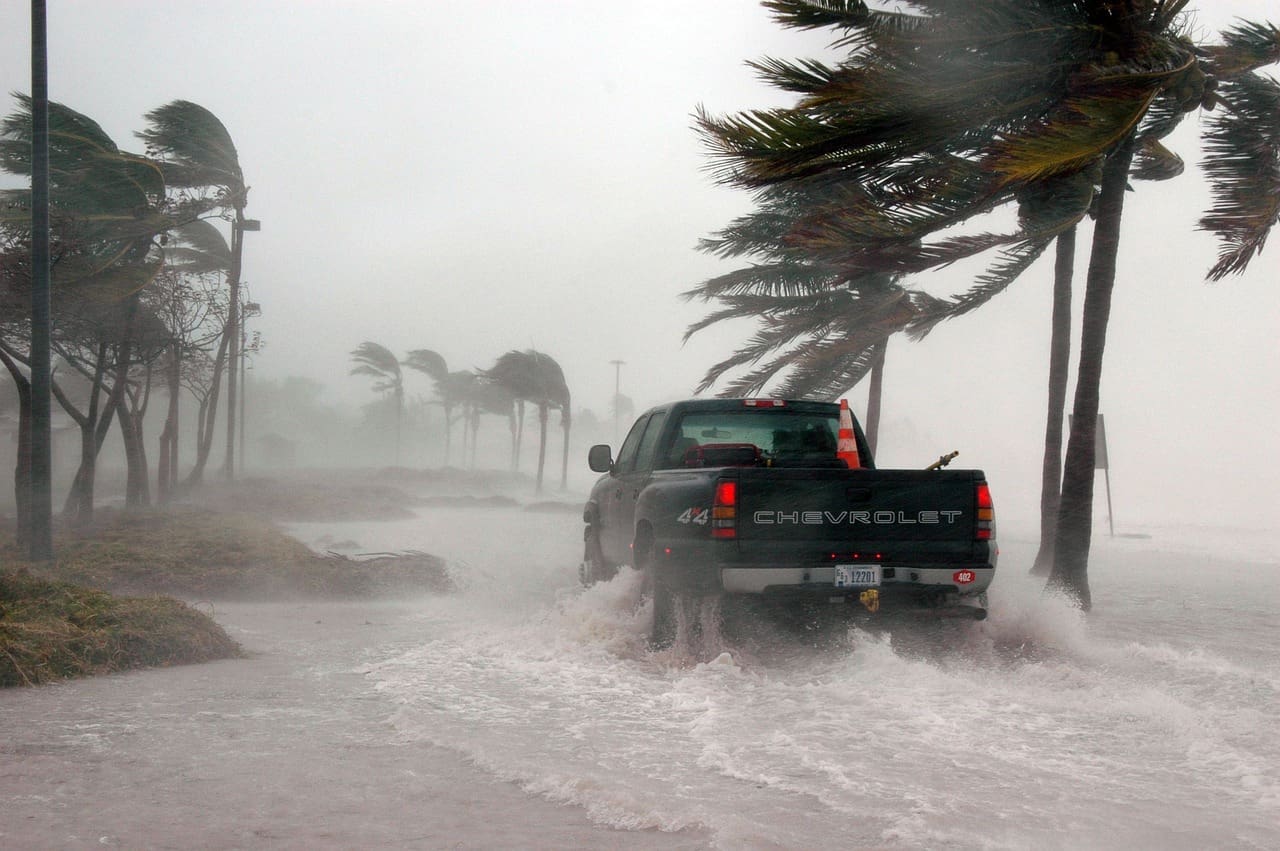
After a hurricane, communities face many challenges. Beyond the physical damage, people often deal with a mix of legal issues and complicated processes. Knowing your rights in this situation can help you regain both property and peace of mind. As communities work to recover, it’s clear how important legal knowledge is in disaster relief. Understanding the rules and resources can make recovery smoother and help people stand up for their needs.
Key recovery resources include FEMA assistance, insurance, and local building codes. Knowing what’s available can make a big difference during rebuilding. If you’re dealing with insurance disputes or legal complications, a hurricane attorney can provide valuable guidance. Contractor agreements and support from local organizations can also affect how quickly and effectively recovery happens. These elements provide homeowners and communities with the knowledge needed to tackle the rebuilding process.
FEMA Assistance for Recovery
FEMA offers different types of help to communities affected by hurricanes, such as financial aid for temporary housing, home repairs, and other disaster-related costs. To apply, residents need to fill out an application on the FEMA website or call their helpline. It’s important to gather necessary documents, like ID, proof of property ownership, and evidence of damage, before applying. Applying early can speed up the process and help you get the funds faster.
How quickly you receive aid depends on several factors, like the severity of the disaster and how complete your application is. Generally, you’ll get a response within a few days, but it might take longer for the funds to be distributed. Keeping track of your application and using local resources for support can make the process easier and help you stay on top of things.
Insurance Policies and Claims
After a hurricane, insurance is usually the main way homeowners recover, but filing claims can be tricky. People often have different types of coverage, like for the house, personal property, and liability, so it’s important to understand what each policy covers. For example, flood insurance isn’t included in standard homeowners’ policies and usually has to be bought separately through the National Flood Insurance Program (NFIP). Knowing what’s covered helps you file the right claim.
It’s not just about knowing what’s covered but also how to file the claim. Insurance companies have strict deadlines, and missing them can cause delays or denials. Make sure to take photos, get repair estimates, and keep receipts for emergency repairs. Sometimes, insurance adjusters might offer a lower payout than what you need. You have the right to negotiate or hire a public adjuster to reassess your claim.
Local Building Codes and Permits
Rebuilding after a hurricane isn’t just about fixing your home—it’s also about making sure the work is safe and follows local rules. Building codes can vary depending on where you live, and they’re there to protect your home and reduce the risk of future damage. These codes cover things like your home’s structure, electrical systems, and flood protection.
Before you start any work, it’s important to understand these codes and get the right permits. If you skip this step, you could face fines and delays or even have to redo some of the work. To help with this, contact your local building department to find out what you need. You can also ask them to review your plans to make sure everything meets local rules.
Contractor Rights and Responsibilities
When hiring contractors to rebuild after a hurricane, it’s important to understand both your rights and the rules that protect everyone involved. Contractors must follow local building codes and get the necessary permits to make sure their work is safe. As a homeowner, you have the right to make sure the work is finished on time, within your budget, and meets the agreed standards. This is why having a clear contract is so important.
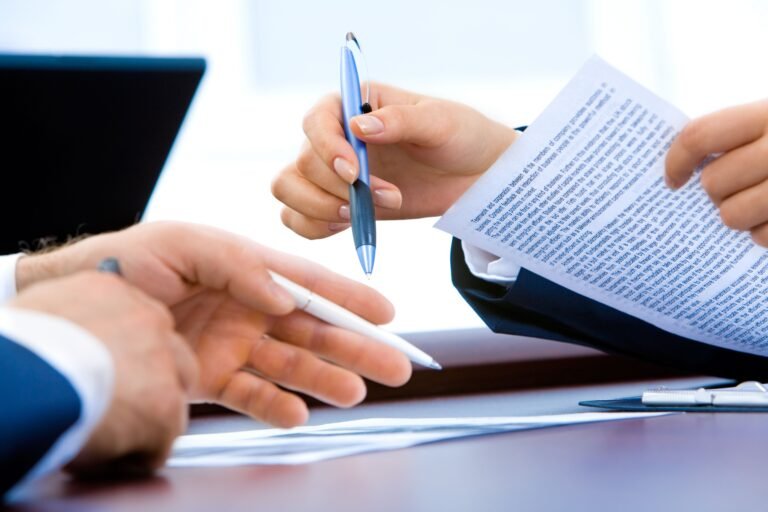
The contract should outline key details such as the project timeline, payment schedule, material quality, and procedures for handling disputes. Consumer laws protect you if the contractor fails to meet these terms, allowing you to request a review or withhold payment until issues are resolved.
Community Resources and Support Networks
Recovering from a hurricane is tough, but local resources can make it easier. Community groups can offer help, from financial aid to volunteers for repairs. Connecting with these groups gives you info on the support available. Legal aid can assist with insurance claims and understanding local rules, boosting your chances of recovery.
Building connections with others affected by the disaster—whether neighbors, friends, or local groups—creates a sense of unity. Sharing what worked or didn’t can provide helpful insights. Emotional support is just as important as practical help, as communities come together to rebuild homes and spirits. Joining local support networks strengthens recovery and resilience, providing a vital source of strength as people rebuild together.
Hurricane recovery is a challenging process, but understanding key resources and legal rights can ease the process. By tapping into FEMA assistance, insurance claims, and local building codes, homeowners can manage the rebuilding process more effectively. Contractor agreements and community support networks further strengthen the recovery efforts. Knowledge of available resources and rights empowers individuals to take control of their recovery, helping them rebuild safely and efficiently. With the right information and a strong support system, communities can overcome the aftermath of a disaster and emerge more resilient than before.