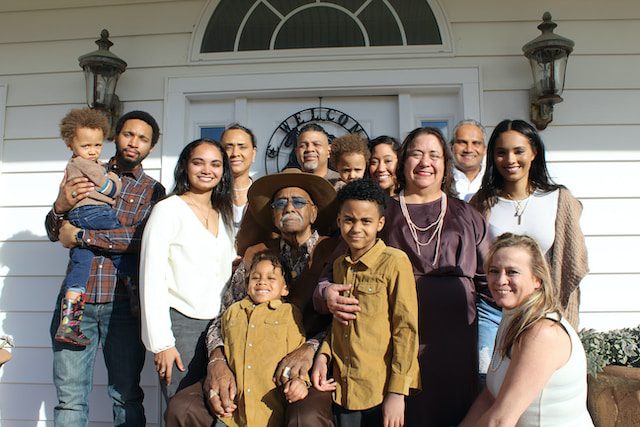
We all cherish the memories we’ve created with our parents, grandparents, and older family members. From childhood moments to life milestones, they’ve been a constant source of love and wisdom. But as time passes, we start to notice changes—in their appearance, routines, and even how they interact with the world. They may seem more forgetful, feel cooped up at home, or struggle to manage medications. It’s completely natural to feel a mix of concern and responsibility as they grow older, and it becomes more important than ever to stay connected with your aging loved ones and support them with compassion.
Aging isn’t always easy, and offering support can make a huge difference in their lives—and yours. Building and maintaining strong relationships with our elderly loved ones is one of the most meaningful things we can do. Sometimes that support means being there emotionally; other times, it means knowing when to bring in professional help, like a caregiver. (If that time comes, here are some important questions to ask during a caregiver interview).
Here are some thoughtful ways to deepen your connection with aging family members and support them with compassion:
1. Keep the Conversation Going
Check in often—whether through phone calls, video chats, or regular visits. Loneliness can creep in as people age, and staying in touch helps them feel remembered, included, and loved. Open communication keeps your bond strong.
2. Show Real Interest
Ask about their day, their memories, or what they’re currently enjoying. Take a walk down memory lane together. Listening with presence and intention makes your loved ones feel valued and seen.
3. Practice Patience
With age can come cognitive changes, memory lapses, or slower responses. Be patient and meet them where they are. A kind tone and a listening ear can go a long way in helping them feel understood and supported.
4. Make Time for Quality Moments
Even simple activities like sharing a meal, watching an old movie, or enjoying a quiet walk can become precious memories. Find ways to do what they love together—it doesn’t have to be elaborate to be meaningful.
5. Offer a Helping Hand
Aging often brings physical limitations. Offer help with things like errands, appointments, or household chores. Acts of service are a beautiful way to show you care and want to ease their load.
6. Celebrate Life’s Little (and Big) Moments
From birthdays and anniversaries to new hobbies and retirement parties—Celebrating milestones helps your loved ones feel appreciated and connected. These shared moments bring joy and create lasting memories.
7. Respect Their Independence
Support doesn’t mean taking over. Encourage them to make their own choices, stay active, and pursue interests. Respecting their autonomy helps maintain their dignity and sense of self.
8. Don’t Be Afraid to Ask for Help
Sometimes love means knowing when professional help is needed. Whether it’s part-time caregiving or full-time medical support, seeking assistance is a sign of strength—not failure. You don’t have to do it all alone. In fact, one of the most powerful ways to stay connected with your aging loved ones is by ensuring they have the right support in place—both from you and from professionals who can help meet their needs.
Caring for aging loved ones is a journey filled with tenderness, adjustment, and growth. When you stay connected with your aging loved ones through empathy, consistency, and respect, you help make this chapter of their life rich with meaning, love, and continued connection—for them and for you.