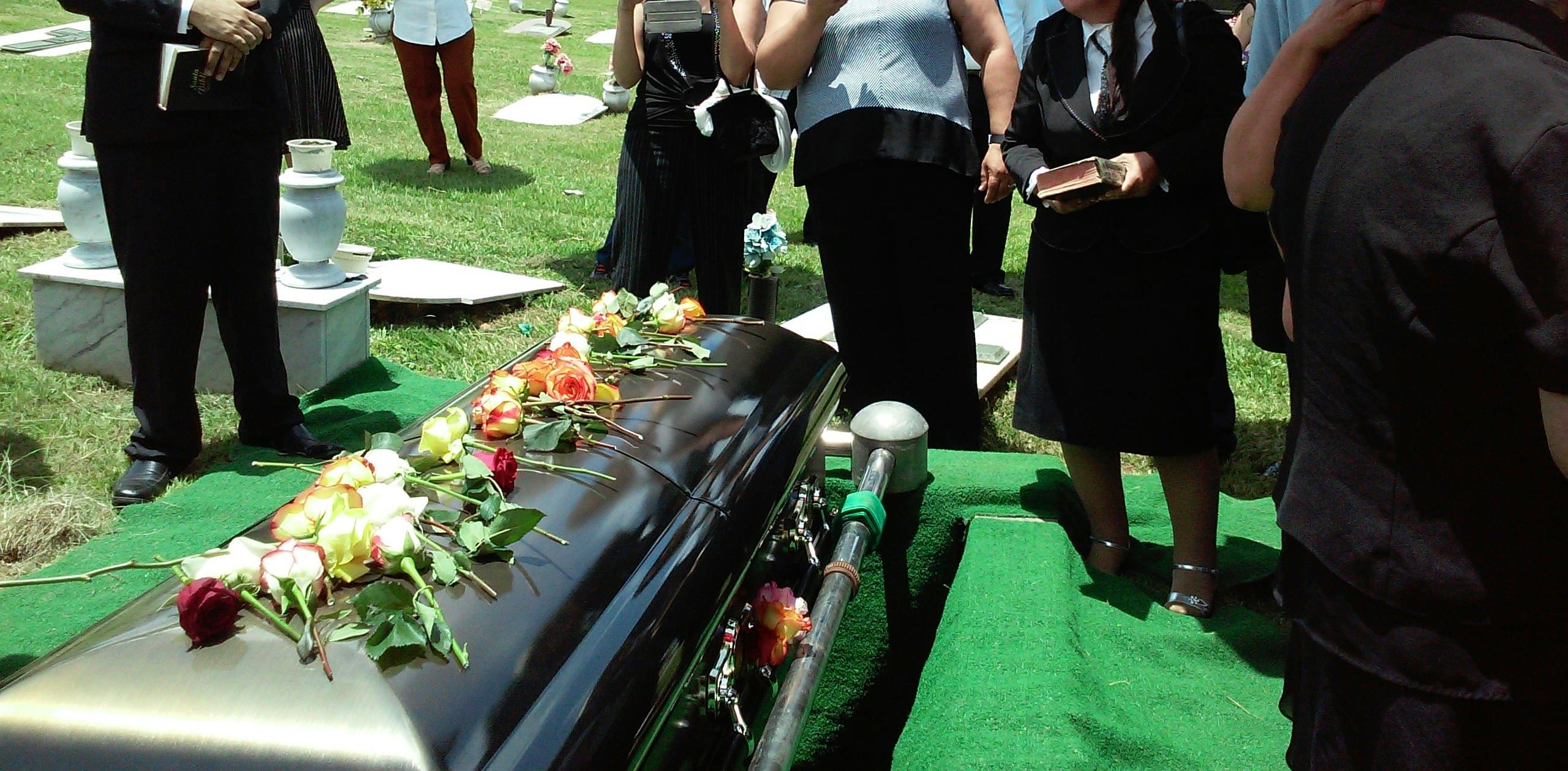
When Writing the Right Words for a tribute, begin with the memories that shaped your connection. Small moments—a shared glance, a long walk, a familiar laugh—often say more than any formal biography. These personal stories create a sense of closeness in the room, offering comfort and reminding everyone of what was real and meaningful.
Let your words reflect the person’s spirit, not just their timeline. Honest emotion carries more weight than polished phrasing. A tribute becomes powerful when it reveals how someone made others feel, how they showed up in everyday life. Even in loss, the act of remembering with love can bring light to the hardest goodbye.
Finding the Words to Say Goodbye: Writing a Heartfelt Eulogy
Seeing a loved one at rest brings a stillness that often makes words feel far away. Many worry their tribute won’t be enough. But a meaningful eulogy doesn’t require grandeur—just sincerity. Begin with what mattered most in daily life. A familiar phrase they always said. The way they showed up when it counted. Even thoughtfully chosen caskets can reflect their personality—subtle details that carry meaning, beauty, or a final gesture of care.
Blending these specific memories into your tribute helps others feel their presence again. A quiet laugh that always came at the right time. A way of listening that made people feel heard. These aren’t just reflections—they’re reminders of the love that shaped your time together. In sharing them, you create a moment of closeness that comforts everyone in the room.
Start With a Single Memory That Stays With You
Choose one memory that truly stands out. A vivid moment—a laugh shared, a quiet look of understanding—can capture their spirit better than any list of traits. Use details that engage the senses—sounds, sights, even scents—to bring that moment to life. When listeners can see the memory in their mind, it creates a bond across the room.
Rich details make memories feel real and relatable. Such descriptions help others recall their own moments with the person. If it is a funny memory, the sound of that laughter can bring smiles even now. Focusing on vivid recollections helps the person’s legacy shine through, encouraging everyone to celebrate the life shared.
Speak in Your Own Words
Overly formal language can make a eulogy feel distant. When Writing the Right Words, speaking in a natural, familiar manner makes it warmer and more personal. Small phrases, jokes, and quirks that reflect the individual’s personality—such as adding a playful comment before parting—can bring comfort and even laughter in a hard moment.
Speaking authentically helps people feel closer, encouraging them to remember and share their own stories. Personal anecdotes, even lighthearted ones, strengthen bonds and remind everyone that joy can exist even in grief. Using their favorite sayings or expressions is a simple but powerful way to honor them and make the moment feel more real.
When You’re Not the Closest Person but Are Asked to Speak
If you’re not in the person’s inner circle, focus on personal reflections rather than a full biography. Share moments that capture the individual’s essence, such as a warm smile during greetings, a familiar phrase often spoken, or the gentle squeeze of a handshake. Small, meaningful memories can still say a lot about the person’s character and life.
Be thoughtful with names and relationships, aiming to comfort rather than stir more grief. In such moments, humility carries great value. A simple, heartfelt story can connect your experience with that of another person, offering a shared moment of remembrance.
When You Don’t Know Where to Start
Feeling stuck is normal. When Writing the Right Words, looking back on cherished moments can help break through creative blocks. Reflecting on conversations, shared experiences, or moments of laughter may reveal the most meaningful details, such as noticing a person’s eyes light up and their voice grow warmer when sharing a favorite story.
It can help to ask friends or family members to share their memories. Such conversations often reveal stories previously unknown, adding richness and variety to a tribute. Speaking thoughts aloud or using a voice recorder can capture feelings before they fade, guiding you toward what you truly wish to express.
Writing a eulogy offers a chance to share the heart of who someone was, capturing moments that reveal their spirit—a shared laugh, a quiet act of kindness, or a gesture of love. Simple, vivid details help others see the moments and feel their significance. Speaking in a natural voice keeps the tribute warm and personal, inviting connection among all present. Choosing memories that bring comfort celebrates a life in a way that feels authentic and lasting. Love endures through the stories told, carrying the presence of the departed into every heart that remembers.