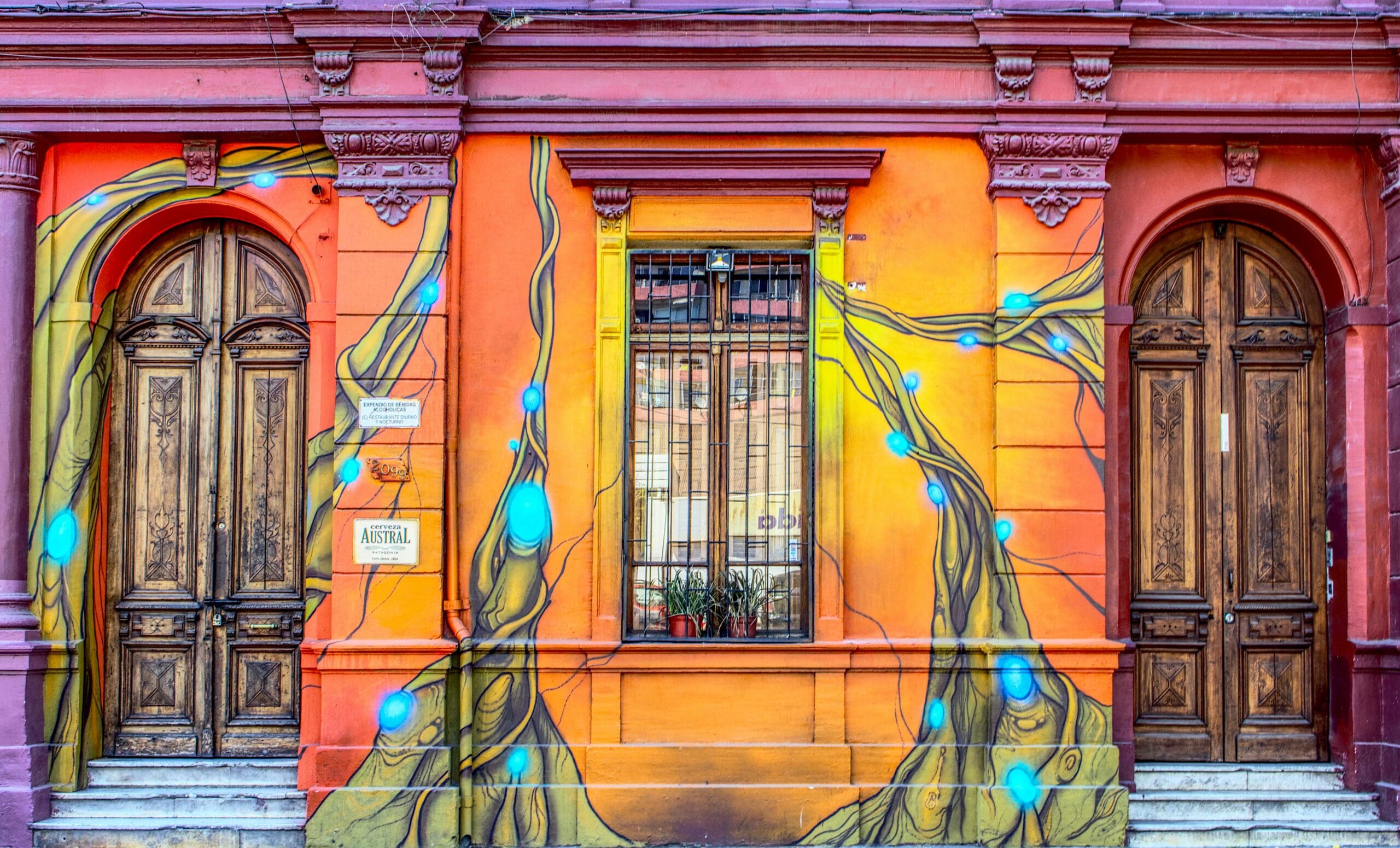
Street art has become a noticeable feature in Richmond, drawing attention from both locals and visitors. In areas like the Richmond Arts Corridor, colorful murals and public art pieces are easy to spot and reflect the city’s changing culture. Street art brings together history, community, and creativity, helping to shape and preserve Richmond’s cultural identity for those who live and work in the city. This form of art can be seen as a connection between the past and the present, making culture visible throughout Richmond’s neighborhoods.
Street art as a living archive reflecting Richmond’s diverse cultural narratives
Street art in Richmond tells many stories about the city and its people. Murals and graffiti show the lives, history, and dreams of those who have called Richmond home. Each piece often reflects a part of the local culture or a shared memory.
Artists use street art to show traditions, histories, and viewpoints from different backgrounds. They share the stories of neighborhoods, highlight important moments, and display symbols that many people recognize. This artwork enables people to observe the changes and growth in the city over time.
Painted walls and open spaces serve as a record that anyone can view. Visitors and locals discover bits of Richmond’s past and present as they move through the city. Every mural and tag adds another chapter to Richmond’s story, making the city feel connected and alive.
Murals highlighting local history and socio-economic issues in Richmond neighborhoods
Many murals in Richmond show scenes from the city’s past. Artists use their work to remember local traditions, historic events, and well-known people from different backgrounds.
Some murals focus on everyday life in Richmond’s neighborhoods. They often show how communities have changed over time and show residents’ stories.
A few murals call attention to issues like poverty or changes in housing. They invite people to notice the challenges some locals face or highlight efforts that support community members.
Groups of artists sometimes work with neighbors to plan murals that mean something to people living nearby. This makes the art feel more personal and helps give a voice to communities that are sometimes overlooked.
Murals covering local history and social topics help remind everyone of Richmond’s different cultures and experiences. They show both the proud and difficult parts of the city’s story by putting them in public places where everyone can see them.
Street art festivals are attracting global artists and encouraging cultural exchange
Street art festivals in Richmond bring together artists from many countries. They create large murals and unique artworks that transform public spaces across the city.
These events encourage artists to share their different backgrounds and creative styles. Local and visiting artists often work side by side, learning new techniques and getting inspired by each other’s cultures.
When artists share their stories through murals, they highlight Richmond’s range of traditions and viewpoints. Residents and visitors get a chance to see how global influences mix with local history, shaping Richmond’s Cultural Identity in vibrant, visual ways.
Festivals like these help people appreciate new forms of art and explore ideas from around the world. The events turn city streets into places where cultural exchange happens every day.
Through these public displays, Richmond connects with artists far beyond its borders, while continuing to celebrate Richmond’s Cultural Identity and its own unique voice.
Expression of marginalized communities through graffiti and urban art forms
Street art gives a voice to people who may not always feel heard. In Richmond, many artists use graffiti to share daily struggles and hopes of marginalized groups. These public artworks often tell stories that are left out of mainstream discussion.
Murals and graffiti can highlight important issues such as social injustice or inequality. Through art, messages about identity and experience become visible in city spaces where anyone can see them. This openness allows artists to reach people from different backgrounds.
Some street art celebrates cultural roots or honors traditions. It provides a sense of belonging for communities that may feel overlooked. By turning walls and buildings into canvases, artists help make sure their histories and values are recognized.
Graffiti and murals do more than decorate a neighborhood. They help people claim space and express themselves in ways that are both creative and honest. In this way, street art in Richmond becomes a record of its diverse voices.
Street art’s role in urban revitalization and combating poverty in certain Richmond areas
Street art has changed the look and feel of many Richmond neighborhoods. Murals and painted walls have turned old, empty buildings into places that people want to visit. These changes can make streets safer and more inviting.
Bringing art to public spaces often helps support local artists. It can give people jobs and help them build their skills. This can be especially helpful in areas that struggle with poverty.
The presence of street art can also attract small businesses, cafes, and visitors. When more people spend time in these areas, there are more chances for community growth. Local pride can grow as neighbors see their stories and history painted on the walls.
While street art does not solve every problem, it offers color and hope. It helps people feel connected to their city and can encourage new ideas for improving neighborhoods. Street art continues to play a clear part in Richmond’s efforts to improve lives.
Conclusion
Street art helps keep Richmond’s cultural identity alive by reflecting its stories and traditions through murals and public art. These artworks make neighborhoods feel unique and remind people of the city’s history.
Residents and visitors can learn about Richmond’s past and present by seeing street art in different parts of the city. When murals are removed or fade away, people notice, showing that these pieces matter to the community.
Street art not only brings art into daily life but also helps people connect to their local heritage. Through creativity on city walls, Richmond’s culture continues to tell its story.